Reviewed · TICKETS
Barcelona: Museu Nacional d’Art de Catalunya Entrance Ticket
The Museu Nacional d’Art de Catalunya is interesting because it’s art history in a grand setting on Montjuïc, with the kind of scale that makes you slow down. I love the Romanesque murals and the way the museum shows major Catalan and European names in one flowing visit. I also love the Barcelona views you can soak in from the building area, especially if the day is clear.
One possible drawback: the terraces and rooftop are temporarily out of service due to current health regulations, so you should not count on getting every classic skyline photo from up high. Also, the visit is easy to underestimate, because the collections stretch across two floors and can pull you in for longer than you planned.
Key things that make this ticket worth it
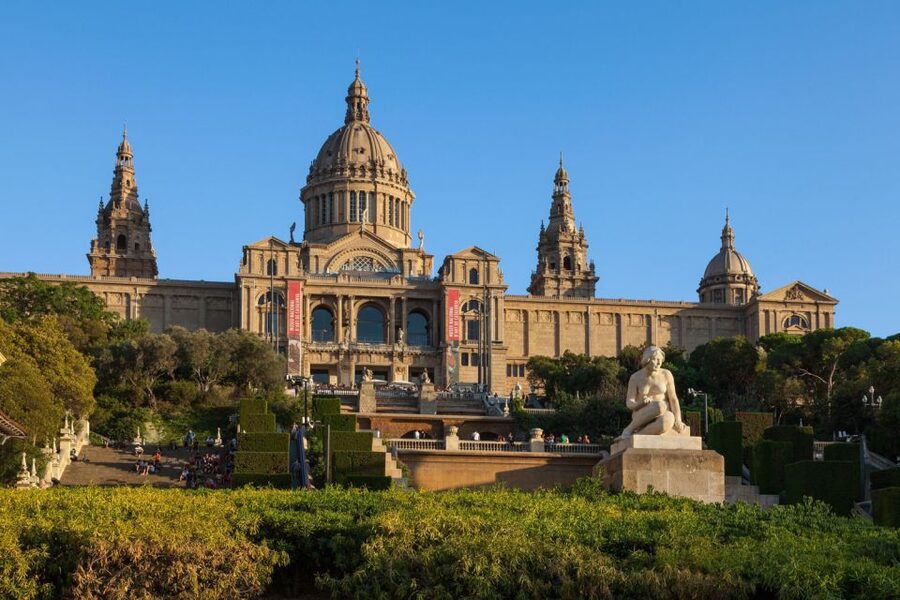
- Romanesque mural paintings displayed in a museum context that helps you understand what you’re looking at
- Catalan Modernism on display, including works tied to Gaudí and Casas
- Top European art highlights, with Renaissance and Baroque painters like Tiziano and Velázquez
- Two floors of collections, plus temporary exhibitions, so you get more than one type of art
- Smartphone audio guide app available in many languages, so you can move at your own pace
- Montjuïc setting at Palau Nacional, including the 1929 exposition building story
The Palau Nacional building is part of the show
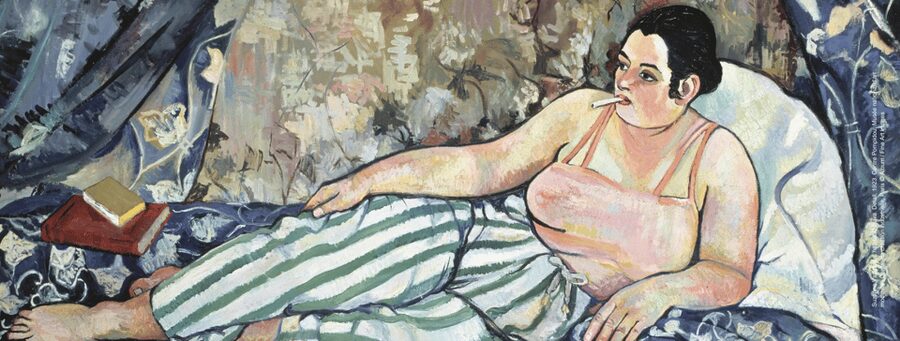
MNAC sits inside the Palau Nacional on Montjuïc, a huge, elegant building built for Barcelona’s International Exposition of 1929. Even if you’re not the type who usually cares about architecture, you’ll feel the difference the moment you’re inside. The space is dramatic, and it sets up the art in a way that feels more like a cultural “event” than a quick browse.
This is also one reason the museum works well even on days when your energy is mixed. If you’re having a strong art day, the galleries can keep you going. If you’re not, the building itself gives you plenty to look at, from grand halls to the way the collections are arranged.
And yes, the location matters. MNAC is on Montjuïc, so you’re already in the neighborhood where you get those city-and-hill viewpoints. Just remember that the terraces and rooftop are temporarily closed right now, so the highest angle might not be available on your visit.
A few more ways to see Barcelona
- Barcelona: Park Güell Admission Ticket
★ 4.4 · 76,534 reviews - Barcelona Aquarium: Entry Ticket
★ 4.3 · 13,335 reviews - Barcelona: Sagrada Familia Skip-the-Line Entry Ticket & Tour
★ 4.8 · 12,789 reviews
What you’ll actually see inside the museum
MNAC is not a single-style museum. It’s a layered museum: Romanesque painting and mural works, then major European painting traditions, and also photography collections. That mix is one of the reasons the ticket feels like a good value. You’re not paying to see only one small theme.
The museum’s collections are displayed on two floors, and the visit usually takes a couple of hours if you want to see a lot without rushing. Several people specifically called out that the layout helps you avoid feeling overwhelmed, because the galleries flow in sections rather than one giant maze. That matters if you’re on a tight schedule or if you just don’t want museum fatigue.
A practical note that saves time: give yourself enough margin for the temporary exhibition too. Your ticket includes admission to the permanent collection and the temporary exhibition, so you might as well plan to spend time there rather than treating it as optional.
Romanesque murals: the reason many people come
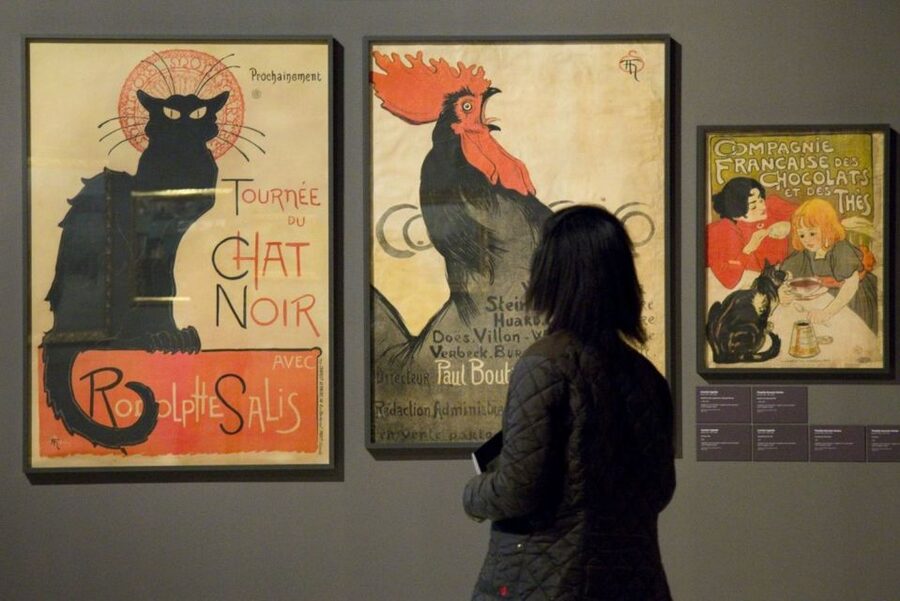
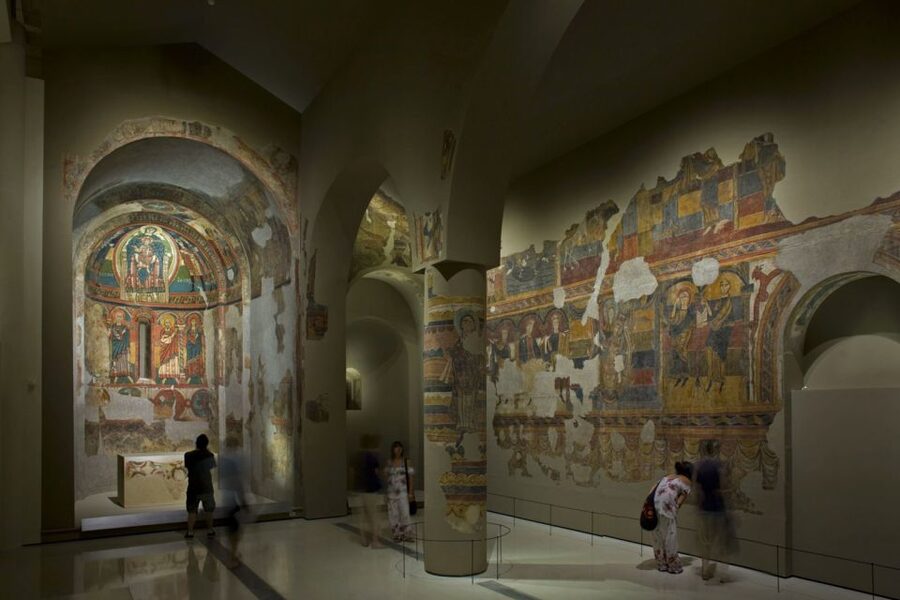
MNAC is famous for Romanesque mural paintings, and it’s not just name value. You can see how these works were preserved and presented, and that preservation story is part of the impact. One review highlighted how the museum displays frescos as if they were in their original setting, which is the kind of detail that changes your viewing experience.
When you’re looking at murals, it helps to remember that these were often church works. At MNAC, they’re brought into a museum environment, but the installation style tries to keep the feeling of the original context. If you enjoy religious art, medieval building culture, or restoration and preservation, this is where you’ll likely feel the strongest connection.
If you’re more into later art, Romanesque may still be worth your time, because it gives you a foundation for understanding Catalonia’s visual history.
Catalan Modernism: Gaudí and Casas in the same visit
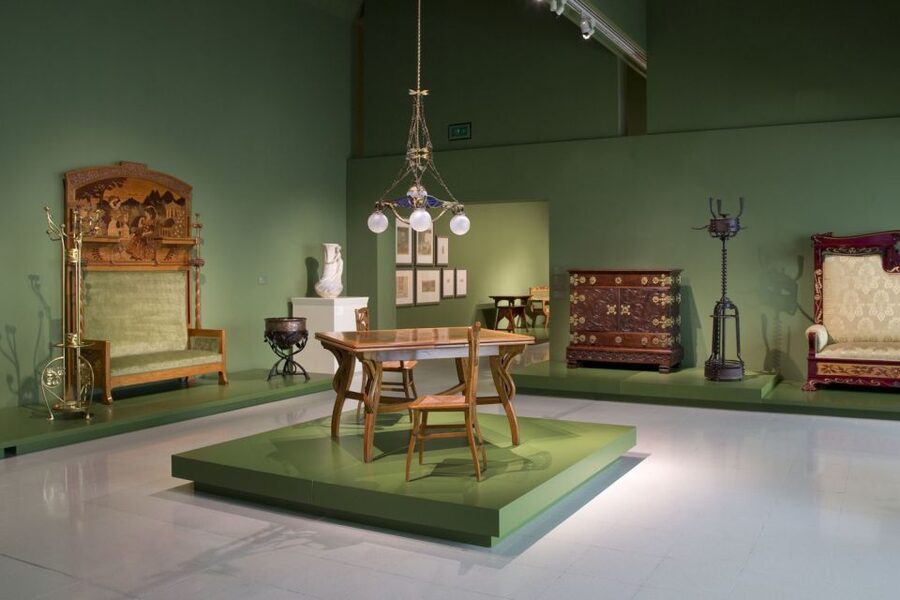
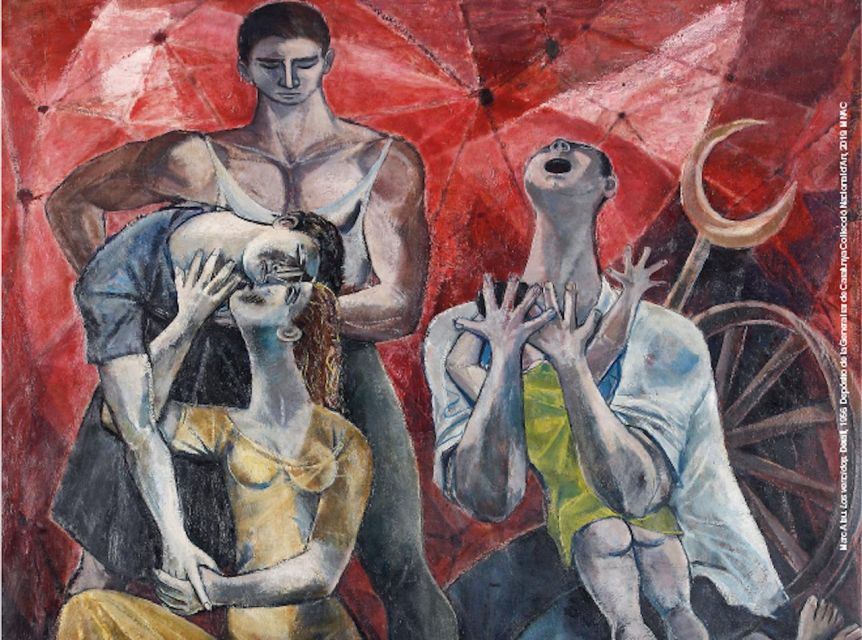
This is where the museum becomes extra fun for repeat visits or for travelers who love Spanish design and art beyond Gaudí architecture. MNAC includes works connected to Catalan Modernism, with highlights tied to Gaudí and Casas. Even if you mostly know those names from other parts of Barcelona, the museum puts them into a bigger art conversation.
Modernism here isn’t just a style label. It’s part of a national story. You’re seeing how Catalan creativity evolved, then how it intersected with broader European traditions.
I’d suggest not sprinting through these rooms. The Modernism sections tend to be the ones where people slow down, because you’re not just looking at famous names. You’re seeing how the museum frames relationships between periods, and how Catalonia fits into the wider European art timeline.
Another side of Barcelona worth booking on the same trip:
- Barcelona: Casa Batlló Entry with Self-Audioguide Tour
★ 4.7 · 25,359 reviews - Barcelona: 24 or 48-Hour Hop-On Hop-Off Bus Tour
★ 4.4 · 20,872 reviews - Barcelona: Park Guell Guided Tour with Skip The Line Entry
★ 4.7 · 17,563 reviews - Barcelona in 1 Day: Sagrada Familia, Park Guell,Old Town & Pickup
★ 5.0 · 13,541 reviews
Renaissance and Baroque painters, including Tiziano and Velázquez
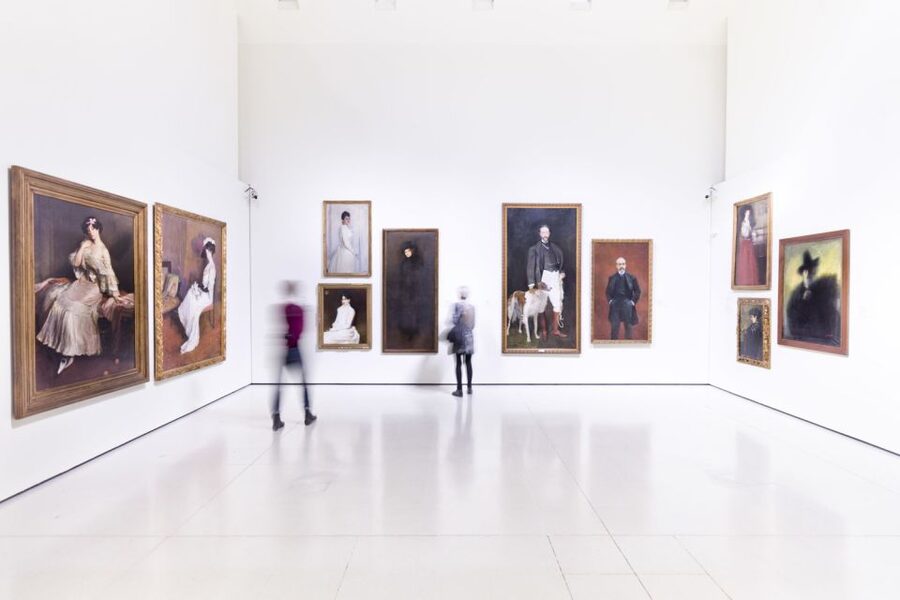
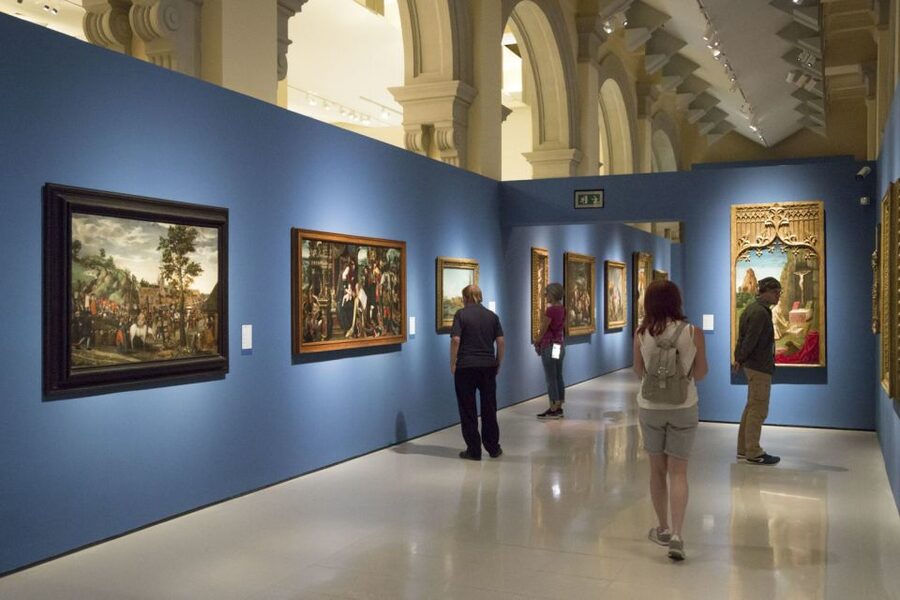
MNAC also serves up major European painting traditions, including Renaissance and Baroque. The ticket description calls out painters like Tiziano and Velázquez, and that’s exactly the kind of pairing that makes a museum visit feel efficient.
Here’s why it’s valuable: you can compare approaches. Renaissance often leans into proportion and classical structure. Baroque often feels more dramatic and emotional. Even if you don’t do art homework, your eyes will notice the difference fast.
This is also a good section to use your audio guide. The audio is included in the ticket, and even basic explanations can help you read what you’re seeing, like themes, symbolism, or why a work matters historically.
Photography collection: unexpected, and worth time
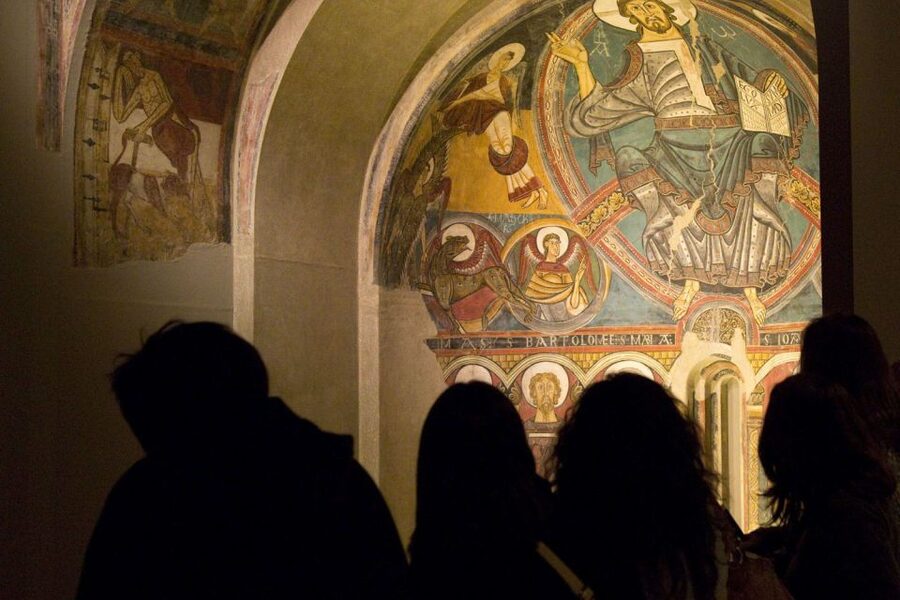
The museum also has a photography collection. It’s not always the first thing people plan for, but it’s included in the overall visit.
I like adding photography to the mix because it breaks the “paintings only” rhythm. When you move from mural painting to photography, you often end up thinking about how representation changes with time, not just what the subject is.
If you like looking at how people document culture, photography at MNAC can give you a different kind of satisfaction than purely visual art. It’s still art, just with another tool kit.
Audio guide app: bring headphones and use it strategically
Your ticket includes a smartphone audio guide app, and it’s offered in a wide set of languages: Catalan, Spanish, English, French, German, Italian, Russian, Japanese, and Chinese.
Two practical tips:
- Bring headphones so you can listen without disturbing others.
- Make sure your phone is charged, because you’re relying on the app.
One caution from the reviews: the Russian audio guide has been criticized for pronunciation and delivery by at least one visitor. If you’re using Russian, consider listening to a short section first to judge quality. If it’s not working for you, switch to another language that you understand better.
Also, use audio like seasoning, not like a full meal. Pick a few rooms you want to understand deeply, and then let yourself look freely in other rooms.
Two hours in the galleries, plus smart timing around closures
MNAC is the kind of place where “I’ll just do the highlights” can turn into a longer visit. Many people recommended planning around a couple of hours, and more time if you want to read details and take it slowly.
Also keep the clock in mind. The ticket offices close 30 minutes before the museum closes, and the rooms are emptied 15 minutes before closing. That means your best viewing time is earlier than you think. If you arrive late, you’ll feel it fast.
Terraces and the rooftop are temporarily out of service right now due to current health regulations. So even if you’ve seen photos online of sweeping views, your experience may be more view-from-the-building-area than view-at-peak-elevation.
Montjuïc walking: where you’ll feel it, and how to manage it
Getting to MNAC is part of the day, and Montjuïc involves real walking. Reviews note that the museum area is accessible via metro, but you still deal with some slopes and steps once you’re there.
What helps:
- Look for elevators nearby if you need them, since some routes are stair-heavy.
- In hot weather, plan for breaks. One review mentioned it can get exhausting due to summer heat, but there are places to pause, including cafes along the way.
Also, photo expectations should be realistic. Some visitors said there are spots where you can’t get perfect skyline framing. That’s normal on hills. Bring different angles in mind rather than expecting one postcard shot to do all the work.
Location value: you’re paying for art plus a major Barcelona backdrop
This ticket costs about $14 per person, and the value comes from what’s included. You’re getting admission to the permanent collection, admission to the temporary exhibition, and an audio guide app. You’re also getting a skip-the-ticket-line option.
That combination matters. Without a skip-the-line feature, museums like this can turn into a waiting game when crowds build. Even if you think you’ll be fine showing up, the skip-the-line benefit protects your time and keeps your day on track.
From the reviews, the museum is described as a must-see for the building and the art collection, with multiple people praising the museum layout and organization. Several also called out the roof or rooftop views as a big reason to go, but again, check current conditions because terraces and the rooftop are temporarily closed.
For food: meals and drinks aren’t included in your ticket. Still, reviews mention cafes and places to relax on site, so you can take a break without leaving the area.
Who this experience suits best
MNAC is a great fit if you:
- Want one ticket that covers multiple art periods, from Romanesque mural paintings to Renaissance and Baroque
- Love Catalonia-specific art, especially when it links to famous names like Gaudí and Casas
- Prefer a museum you can explore at your own speed with an audio guide app
- Want a cultural stop that also has a strong sense of place on Montjuïc
It may be less ideal if you:
- Hate walking and stairs and don’t want to plan around slopes (even though elevators are nearby)
- Expect rooftop access for skyline photos, since terraces and the rooftop are temporarily out of service
- Only want a quick one-room visit, because the collections spread out and reward time
Should you book this MNAC entrance ticket?
Yes, if you want a high-value museum day that mixes major Catalan art with internationally famous European painting traditions, in a building that feels like part of Barcelona’s identity. The skip-the-line setup and included audio guide make it easier to enjoy without feeling rushed.
If your main goal is the rooftop view, do a quick reality check before you go, because the terrace and rooftop access are temporarily closed. But even without those levels, you’re still walking into a Palau Nacional setting on Montjuïc, and the Romanesque murals plus Modernism and European masters give you plenty to see.
FAQ
How long should I plan to spend at MNAC?
Plan for about a couple of hours if you want time for both the main collections and the temporary exhibition.
What is included in the entrance ticket?
The ticket includes admission to the permanent collection, admission to the temporary exhibition, and a smartphone audio guide app.
Is there a skip-the-line option?
Yes, the ticket includes a skip-the-line option.
What languages are available for the audio guide?
The audio guide app is available in Catalan, Spanish, English, French, German, Italian, Russian, Japanese, and Chinese.
Are the terraces or rooftop included?
Terraces and the rooftop are temporarily out of service due to current health regulations.
When does the museum stop admitting people?
Ticket offices close 30 minutes before the museum closes, and rooms are emptied 15 minutes before closing time.
When is entry free at MNAC?
Access is free on Saturdays from 15:00 onwards, the first Sunday of each month, and also on specific dates listed: 12 February, 18 May, 11 September, and 24 September.
Recently reviewed in Barcelona
- Barcelona: Romantic Private Sailing Tour★ 4.1 · 19 reviews
- Barcelona: Rock Museum- Guitar Legends Hall★ 4.9 · 26 reviews
- Barcelona: Raval Street Art and Graffiti Walking Tour★ 4.9 · 60 reviews
- Barcelona: Rent a Jetski and speed through the ocean★ 4.0 · 4 reviews
- Barcelona: Professional Private Photoshoot★ 4.9 · 28 reviews
- Barcelona: Ramblas, Gothic & Gaudí Architecture Walking Tour★ 4.9 · 136 reviews
- Barcelona Photo Experience: famous landmarks or the beach!★ 4.9 · 48 reviews
- Barcelona Private Tour: Sagrada Familia,Park Güell & Pedrera★ 4.9 · 13 reviews
Tickets, compared.

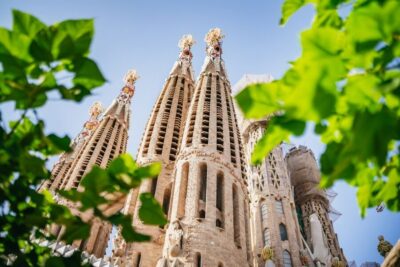
Sagrada Familia Skip-the-Line Entry Ticket & Tour
Read our review →
FC Barcelona Museum “Barça Immersive Tour” Ticket
Read our review →
Park Guell Guided Tour with Skip the Line Ticket
Read our review →
Park Guell and Sagrada Familia Tour with Skip the Line Tickets
Read our review →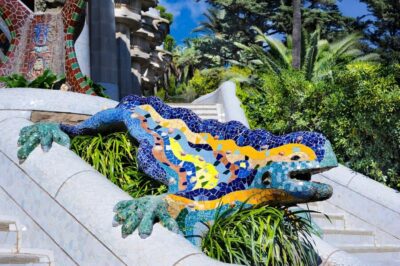
Park Güell and Gaudí House Museum Entry Ticket
Read our review →