
Reviewed · GAUDí TOURS
Private Barcelona Modernism and Gaudí Walking Tour
This walking tour is interesting because Barcelona’s buildings are basically a history book written in stone, iron, and imagination. You’ll see how Gaudí’s ideas fit into the bigger Modernist movement, not just as famous facades but as part of how the city grew.
What I like most is that it’s led by a professional English and Spanish-speaking local guide who can connect the details to the human story behind them. I also love the way you cover multiple architectural styles along Passeig de Gràcia, so Gaudí stands out without feeling isolated. One consideration: it’s a hands-on walking experience, and the distances between stops can add up in about 3 to 3.5 hours.
Key highlights you will care about
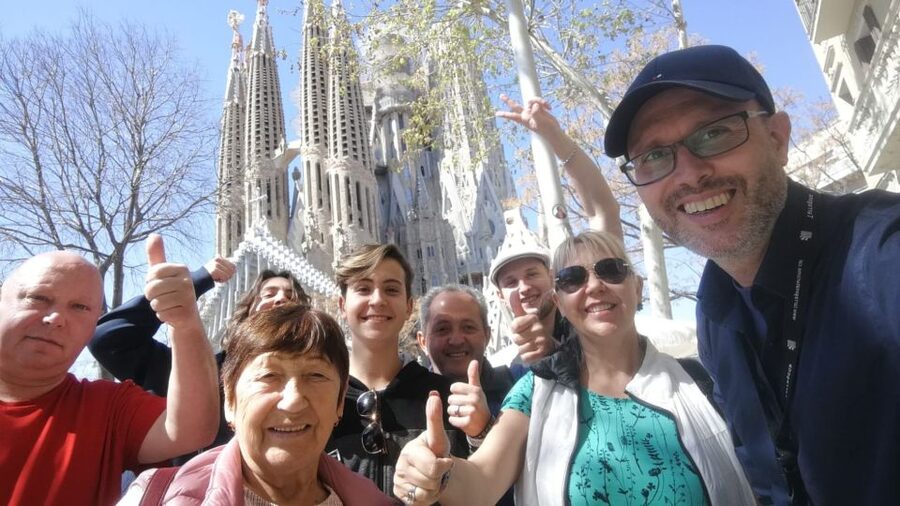
- Small-group feel (max 12), with a private group option available
- Start at Sagrada Familia, including the ongoing construction and Passion façade story
- Walk the Eixample grid and then down Passeig de Gràcia, Barcelona’s Modernism showcase
- See UNESCO-listed La Pedrera, plus headline stops like Casa Batlló
- Get a Modernisme sweep that includes Domènech i Montaner and Puig i Cadafalch, not just Gaudí
- You’ll get guide tips and context that help you look at facades with new eyes
From Sagrada Familia to Modernisme street smarts
Barcelona Modernisme can feel like a blur when you’re sightseeing fast. This tour works because it gives you a route where every stop answers a question: Why did they build like this? What were they trying to say? And how did planning and design shape everyday life?
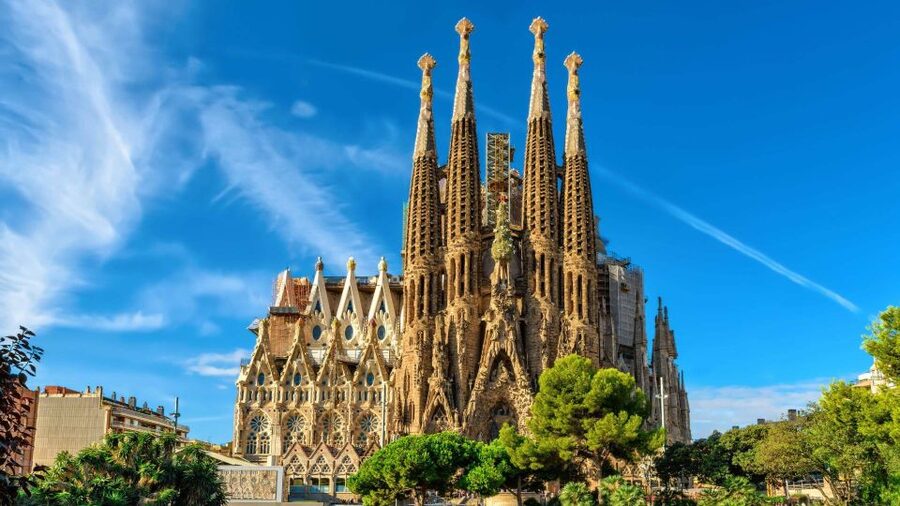
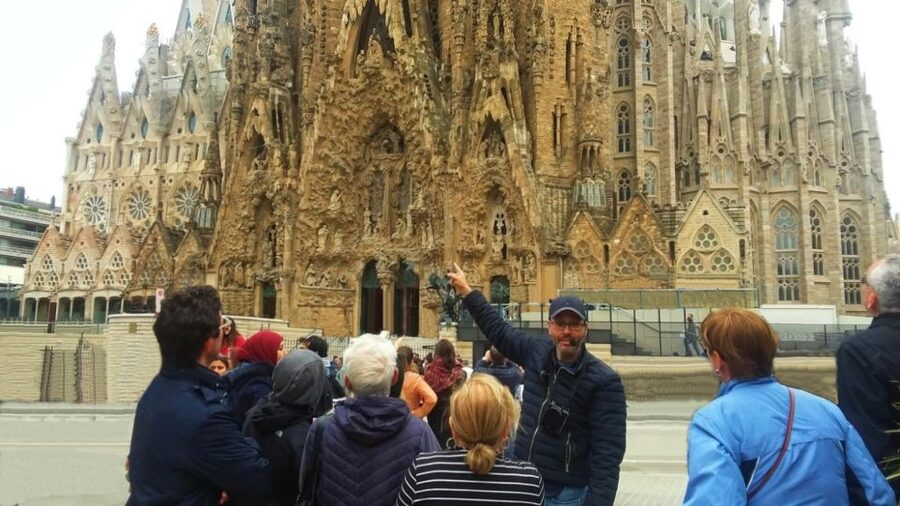
You’ll begin at La Sagrada Familia, Gaudí’s monumental basilica and a UNESCO World Heritage Site. It’s under construction, so you’re not only looking at what stands today, you’re also hearing what still has to be finished and why that matters to people.
One reason this start is smart is that Sagrada Familia isn’t just a pretty building. It’s where you can practice reading Gaudí’s language, from the sculptural details to the broader ambition. You’ll also get the controversy angle tied to the Passion façade, designed by Gaudí’s successor, Josep Subirachs. That historical handoff gives you context for why the project looks the way it does now.
More Gaudí sights across Barcelona:
- Barcelona: Park Güell and Gaudí House Museum Entry Ticket
★ 4.5 · 6,326 reviews - Sagrada Familia & Gaudi Tour Private or Small Group with Tickets
★ 4.5 · 1,188 reviews - Complete Gaudi Tour: Casa Batllo, Park Guell & Sagrada Familia
★ 5.0 · 1,152 reviews
How to read La Sagrada Familia without getting lost in the hype
Sagrada Familia is famous enough that you might think you already know it. But on a guided walk, you learn what to look at so you’re not just staring upward.
Expect a tour that focuses on the building’s intricate details and the reality of its long timeline. You’ll hear how the construction has lasted over a century, and you’ll get the reason people debate what comes next, especially around the Passion façade work credited to Subirachs.
If you love architecture, this is your “training session.” Your guide will help you notice patterns that you can carry to the next stops, including the way forms and symbolism show up across different Modernist projects.
Eixample planning: the grid that makes the buildings make sense
After Sagrada Familia, you move into Eixample, the district Barcelona designed as the city expanded beyond its medieval walls. This matters because Modernisme is not only about individual genius. It also depends on the way streets, blocks, and sightlines shape what people experience day to day.
Eixample has a grid-like layout with wide streets, and it was influenced by Ildefons Cerdà’s urban planning vision. The idea wasn’t just to expand buildings. It aimed for balance between architecture, nature, and urban life.
So when you walk along Passeig de Gràcia, you’re not doing it randomly. You’re moving through a stage built for dramatic architecture. That’s why the tour feels cohesive: you understand the city framework, then you see how architects turned it into a gallery.
Passeig de Gràcia: where Gaudí and company show off
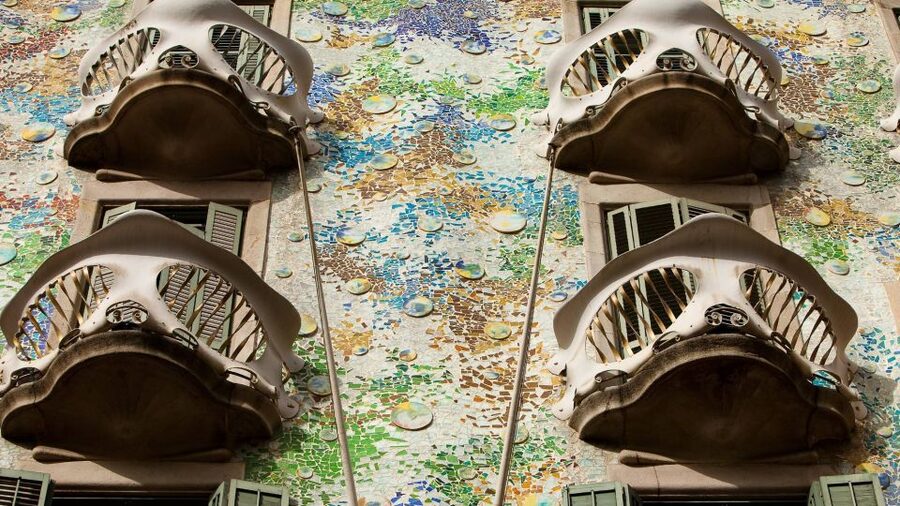
Passeig de Gràcia is Barcelona’s big showpiece avenue, and it’s where you’ll see some of the city’s most extraordinary Modernist facades. The tour is designed so you hit the most important names without turning into a speed run.
This stretch is where Gaudí shines, but you’ll also get the broader Modernisme cast. That balance is a big deal because Barcelona’s style story is a team sport. You’ll learn how different architects approached form, ornament, and urban presence, rather than treating everything as one-person mythology.
More walking tours in Barcelona:
- Barcelona Tapas and Wine Experience Small-Group Walking Tour
★ 5.0 · 5,804 reviews - Barcelona: Tapas Walking Tour with Food, Wine, and History
★ 4.8 · 4,261 reviews - Barcelona Tapas Walking Tour: Food, Wine & History
★ 4.5 · 1,928 reviews - Barcelona: Tapas Food Crawl Walking Tour with Tastings
★ 4.9 · 1,798 reviews
La Pedrera: Gaudí’s last civil project and why it’s so different
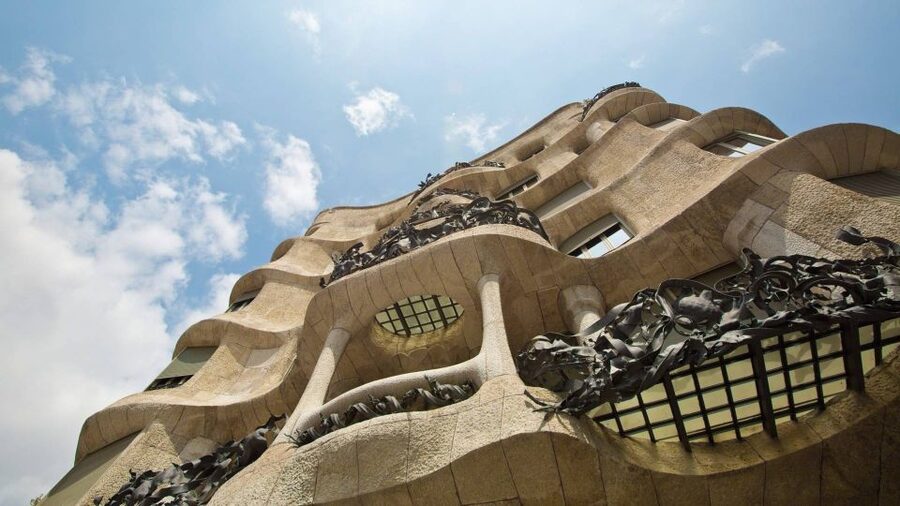
Next up is La Pedrera, also known as Casa Milà, another UNESCO World Heritage Site. It’s described as Gaudí’s last civil project, and that phrasing actually helps you understand the mood shift.
Instead of looking like a single flat face, La Pedrera feels like a living structure. You’ll get prompted to look at how the design behaves visually, especially with its sculptural feel and how the building reads from different angles as you walk.
The practical benefit of having a guide here is that you learn how to spot “Gaudí tells.” Once you know what to search for, you start seeing the logic behind the drama.
Casa Batlló: the sea, the bones, and the color story
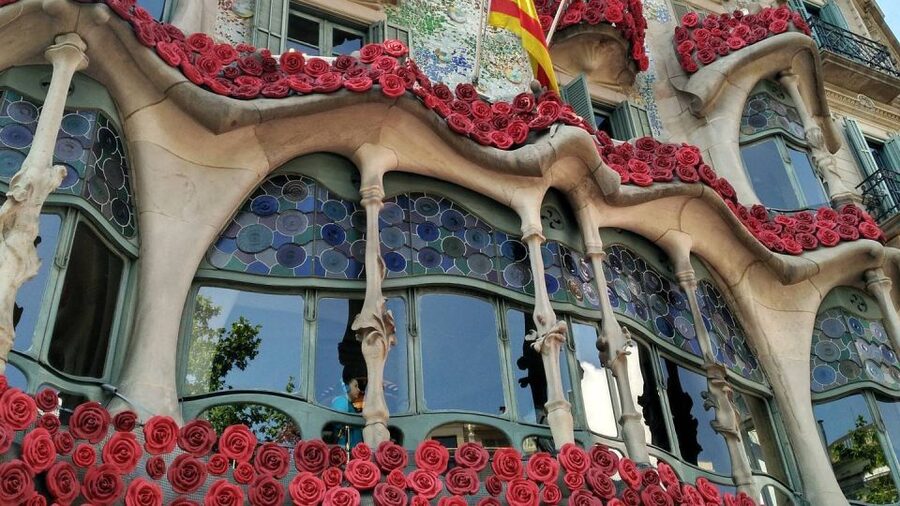
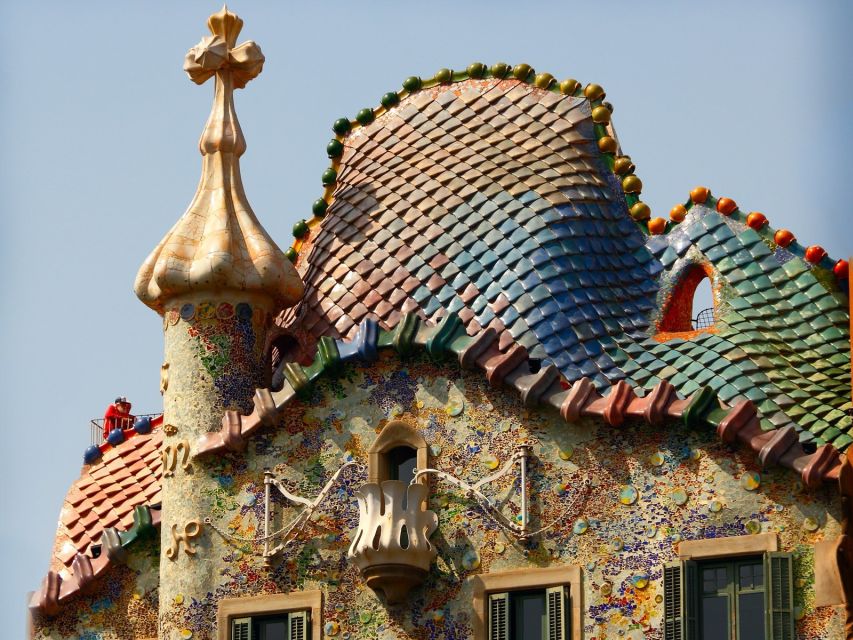
Then comes Casa Batlló, one of the most iconic stops on Passeig de Gràcia. You’ll be guided to notice why it’s often compared to a rolling sea, with its undulating forms and colorful façade.
This is where a good guide makes a real difference, because the building isn’t only about looks. It’s about the way form and surface work together to create meaning. You’ll also get context that helps you understand how Gaudí’s approach fits into the wider Modernisme movement, instead of reading it like a one-off experiment.
If you want photos, this stop is a natural one. If you want understanding, it’s even better, because you’ll learn what features matter and why people keep coming back to study them.
Casa Calvet and the early Gaudí vibe
You’ll also see Casa Calvet, described as a refined example of Gaudí’s early work. Early Gaudí is a useful concept because it helps you see growth, not just final masterpieces.
This stop works as a contrast point. When you’ve been staring at the most famous Gaudí signatures, it’s refreshing to learn how his style developed. A guide can help you track the changes across projects so the city feels like an evolving design conversation.
Domènech i Montaner: Modernisme with a different accent
Part of the tour’s strength is that it doesn’t keep everything centered on Gaudí. You’ll see Casa Lleó Morera, credited to Lluís Domènech i Montaner, and it gives you another architectural personality to compare with.
Domènech i Montaner’s presence matters because Modernisme in Barcelona wasn’t one style built by one mind. It was an era where multiple architects pushed creativity forward using their own design language.
On a walking tour, that comparison lands fast. You’re right next to the buildings, so the differences are visible in real time.
Puig i Cadafalch and the Passeig de Gràcia trio effect
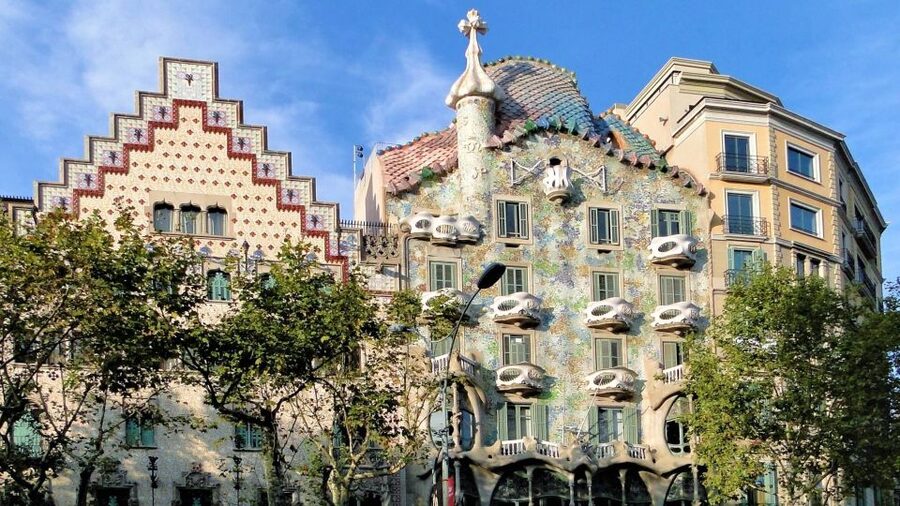
You’ll also encounter Casa Amatller, designed by Josep Puig i Cadafalch. Along with Casa Batlló and Casa Lleó Morera, it forms the famous architectural trio on Passeig de Gràcia.
This trio concept is powerful for first-time visitors because it turns a street full of beauty into a structured story. You can quickly grasp that these neighboring buildings aren’t random. They’re part of a coordinated architectural moment, where each house tried to earn attention in its own way.
The guide’s job is to help you see those details as deliberate choices, not just decorative chaos.
More Modernisme highlights: Casa Comalat, Palau del Baró de Quadres, and beyond
The tour continues with additional Modernisme showcases along Passeig de Gràcia, including Casa Comalat, said to be influenced by Gaudí’s organic shapes. You’ll also see Palau del Baró de Quadres, described as a striking example of Modernisme by Puig i Cadafalch.
Near the end of the walk, you’ll admire Casa Terradas (Casa de les Punxes) and Palau Montaner. These stops are valuable because they expand your view beyond the headline names. If you only chase the biggest attractions, Barcelona can feel repetitive. These additional facades break that pattern.
And since the group is small, your guide can usually answer questions in a way that keeps your momentum.
Walking time, pacing, and what to wear
Let’s be honest: it’s a tour full of sights, and sights mean walking. One review note that the Gaudí buildings are fairly wide distance apart, so you should plan for real steps, not a stroll that barely counts.
The good news is the tour is only 3 to 3.5 hours, so you’re not committing to a half-day hike. Still, wear comfortable shoes, and skip heavy bags.
The tour also notes that luggage or large bags are not allowed, so pack light. If you’re coming from a long travel day, you’ll be grateful your gear stays minimal.
Who this tour fits best
This is ideal if you want architecture that feels alive, not just textbook facts. It works especially well for first-timers who want a strong Modernisme introduction with Gaudí at the center, but not at the expense of other architects.
It’s also a good fit if you like conversations. Several guides are praised for being personable and enthusiastic, with a vibe that can feel like walking with a friend who happens to know art history. Names that come up include Stephanie, Isabel, Antonio, André, Roberto, Olga, Jordi, Miguel, Flora, and Daniel, and that range is a good sign for consistency.
If you’ve already visited Sagrada Familia and you’re hoping for something that avoids repeating it, you should know this tour starts there and can end at Sagrada depending on pacing. At minimum, it’s worth planning your day so you’re not burned out before you reach the best part.
Value check: does $21 buy real insight?
At $21 per person for about 3 to 3.5 hours, you’re paying for a guided walk that covers multiple major buildings, including UNESCO-listed sites like Sagrada Familia and La Pedrera. You’re also getting bilingual expertise, since guides work in English and Spanish.
The best way to judge value here is by what you’re not paying for, not just what you are. The tour includes the guide and optional gratuities, but it doesn’t list admissions or other personal expenses as included. If you want to enter places rather than only view from outside, you may need to budget separately.
That said, a strong architecture guide can multiply the value of what you see outside too. When you learn what details matter, your photos improve, your memory sticks, and the city stops being a list and starts being a story.
Should you book this Gaudí and Modernisme walking tour?
Book it if you want a focused, guided way to understand Barcelona’s Modernisme era, with Gaudí anchored at Sagrada Familia, then followed by the heavy hitters of Passeig de Gràcia. The small group size, bilingual guide options, and the inclusion of multiple architects make it a smart choice for both art lovers and curious first-timers.
Skip it or rethink your timing if you dislike walking, or if you want a completely low-effort, minimal-step day. Also, if you’re already Sagrada Familia saturated from earlier in your trip, plan what you want to do there so the start does not feel repetitive.
FAQ
How long is the private Barcelona Modernism and Gaudí walking tour?
It runs for about 3 to 3.5 hours.
How many people are on the tour?
It’s a small group tour with a maximum of 12 participants, and there is a private group option available.
What languages are the guides?
The guide is available in Spanish and English.
Where does the tour start?
The meeting point may vary depending on the option booked.
Which major sights will I see during the walk?
You’ll visit landmarks including La Sagrada Familia, La Pedrera, and Casa Batlló, plus additional Modernist buildings in the Eixample district such as Casa Calvet and Casa Lleó Morera, among others.
What should I bring and wear?
Wear comfortable shoes.
Is free cancellation available?
Yes, you can cancel up to 24 hours in advance for a full refund.
Recently reviewed in Barcelona
- Barcelona: Citizen Segway Tour★ 5.0 · 53 reviews
- Cathedral of Barcelona Entrance Ticket – Optional Private Guide★ 4.0 · 114 reviews
- Sagrada Familia Private Tour in Barcelona★ 4.5 · 23 reviews
- Montjuïc Cemetery Walking Tour – Hidden Art, History & Views★ 5.0 · 62 reviews
- Barcelona Gracia Neighborhood Local Food & History Tour★ 5.0 · 92 reviews
- Castle of Montjuic- 3H Segway Tour★ 5.0 · 3 reviews
- Barcelona Old Town Tour With Optional Flamenco Show★ 5.0 · 42 reviews
- Guided private morning tour of La Pedrera with Casa Batlló ticket★ 5.0 · 14 reviews
Gaudí Tours, compared.
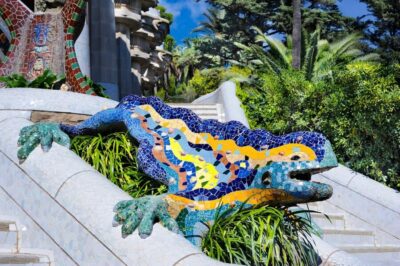
Park Güell and Gaudí House Museum Entry Ticket
Read our review →
Sagrada Familia & Gaudi Tour Private or Small Group with Tickets
Read our review →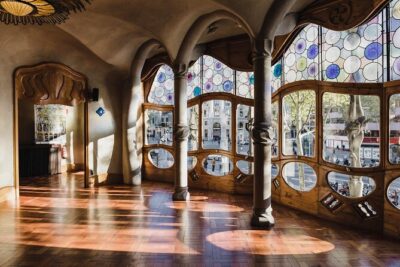
Complete Gaudi Tour: Casa Batllo, Park Guell & Sagrada Familia
Read our review →
Park Güell: Guided Tour with Optional Gaudí Experience Entry
Read our review →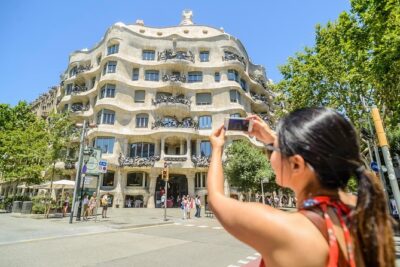
Barcelona e-Bike Tour: Gaudí & Old Town Small Group
Read our review →
Ramblas, Old Town, Gothic and Gaudi Architecture Walking Tour
Read our review →
Gaudi´s Casa Vicens Skip the Line Ticket with Audioguide
Read our review →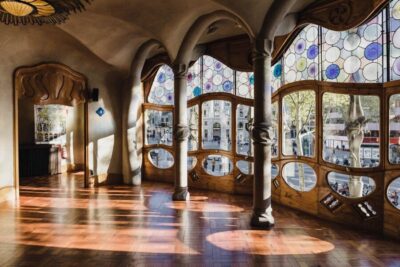
Discover Gaudí, Sagrada Familia, and Park Güell
Read our review →Browse the lists this tour appears in