
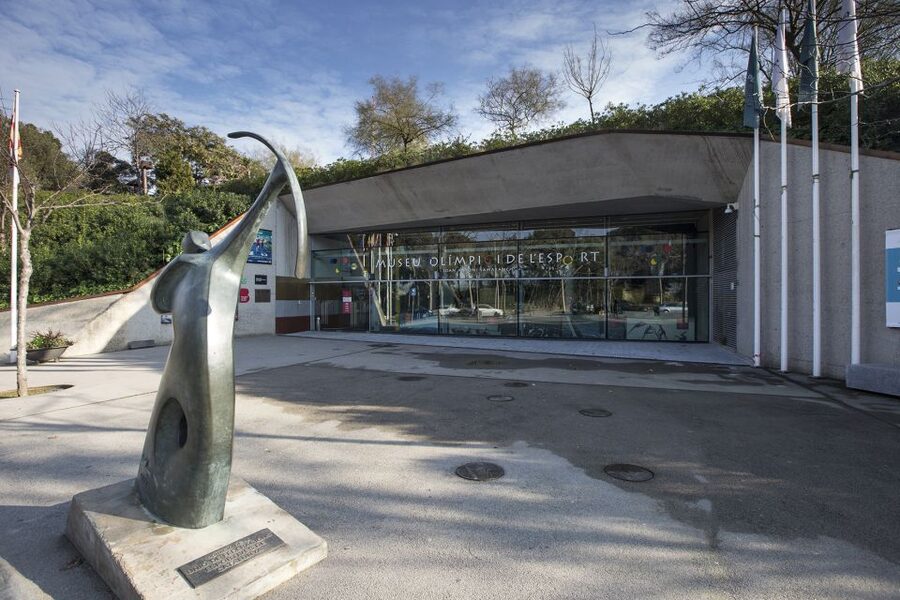
Reviewed · MUSEUMS
Barcelona: Olympic and Sport Museum – Sports Experience
Barcelona’s Olympic and Sports Museum on Montjuïc is interesting because it turns sports history into something you can try, not just read. I like the interactive simulators where you can race famous sprinters and study swimming techniques, and I also like the Olympic host-city timeline that connects Barcelona 1992 with London 2012. It is an easy 1-day add-on if you want fun with actual context, not a stuffy walkthrough.
The main drawback to plan around is that the experience is in Spanish, and some areas feel more focused on the broad Olympic story than on deep technical details for any one event. If you are not comfortable in Spanish, you will want to move with a purpose so you get your money’s worth.
Key Things I’d Prioritize at This Museum
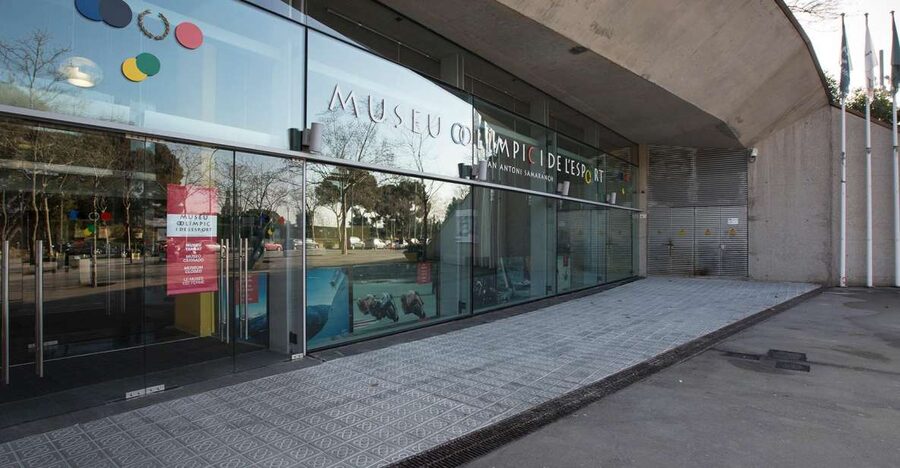
- Race and form practice in the simulators, including tracks and swimming technique
- Host city timeline from Barcelona 1992 to London 2012, with permanent Olympic context
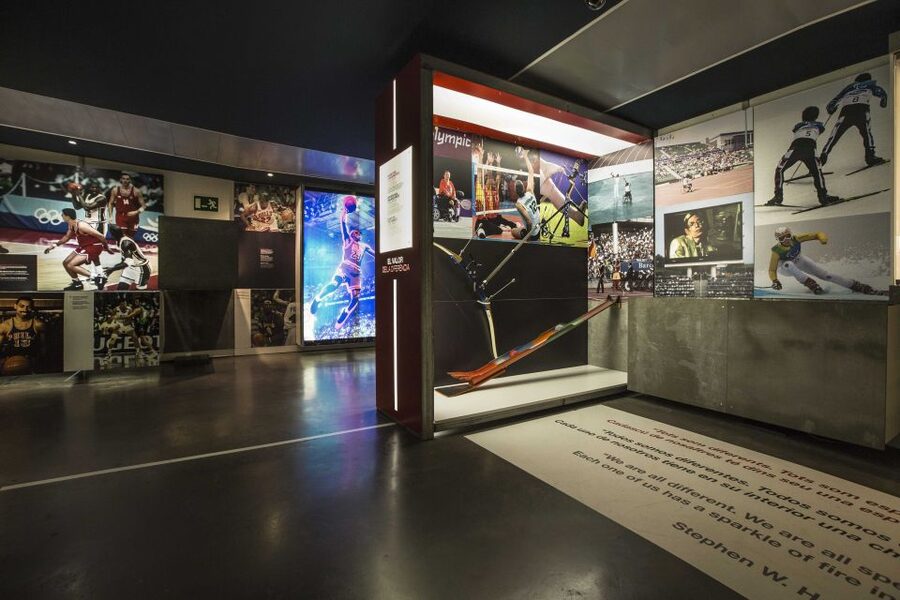
- A mix of Olympic and non-Olympic sports, from Formula 1 to tennis
- Idols and memorabilia spaces, including trophies, milestones, and athlete shoe comparisons
- A dedicated Paralympic section, featuring events such as blind and visually impaired football and wheelchair basketball
- Temporary art-and-sport exhibits tied to photography and art on paper
Why the Montjuïc Olympic Museum Feels Like a “Try It” Stop
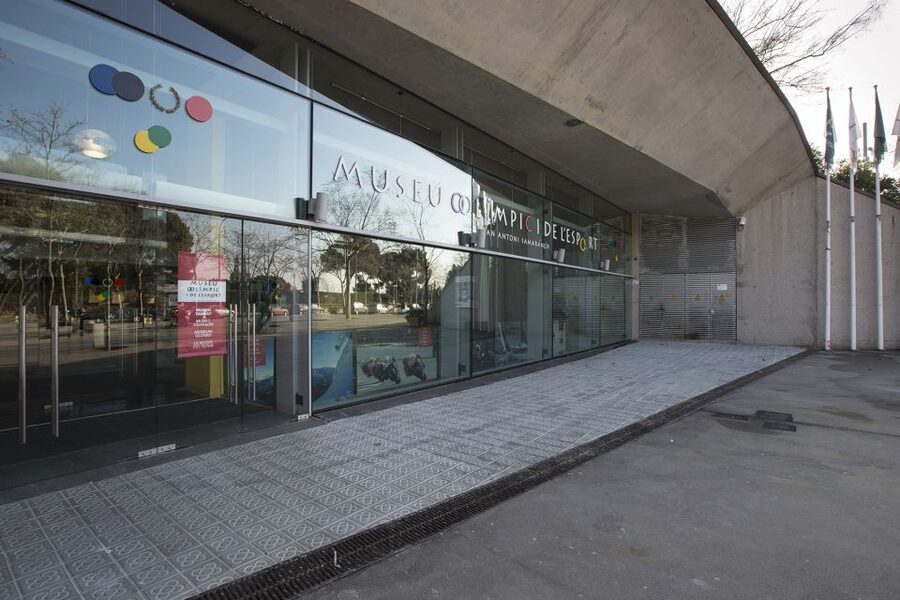
This is one of those museums where you leave with your legs (and brain) a little more activated than when you arrived. The setting on Montjuïc helps too, because the whole area already has that sports-and-view energy.
What I like about it is how it mixes big-name Olympic moments with everyday ways you understand sport: body mechanics, equipment, training, and competition pressure. It is also family-friendly in the practical sense, because there are hands-on stations rather than only text panels.
And at about $7 per person for a full 1-day visit, it is priced like a value stop, not a pricey “special ticket” museum. If you are already in the Montjuïc area, it is the kind of activity that can fill a gap day without draining your budget.
A few more ways to see Barcelona
- Barcelona: FC Barcelona Museum “Barça Immersive Tour” Ticket
★ 4.4 · 10,944 reviews - Barcelona: Park Güell and Gaudí House Museum Entry Ticket
★ 4.5 · 6,326 reviews - Barcelona: Picasso Museum Skip-the-Line Guided Tour
★ 4.5 · 3,355 reviews
Your 1-Day Game Plan: What You Can Fit Inside
You are looking at a 1-day visit, and the ticket is valid for that day. Starting times depend on availability, so I suggest picking a time that lets you arrive relaxed, not rushed. You also get Wi-Fi and toilets included, which sounds small until you are on a hill all day.
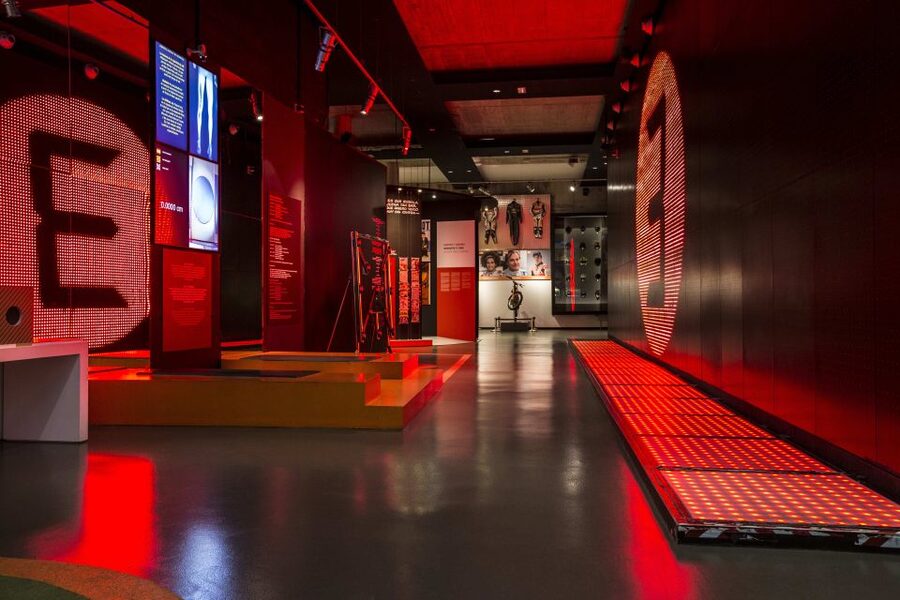
Inside, the flow is built around interactive zones. Expect to spend time moving between simulator-style activities, exhibition rooms about Olympic cities and athletes, and spaces that focus on special collections and Paralympic sport.
A smart way to do it is to choose your “must tries” first. If you love sprinting, go straight to the race stations. If swimming is your thing, start with the technique exhibits. Then circle back for the broader Olympics story, athlete idols, and memorabilia. That keeps the visit from turning into random wandering.
The Simulators: Racing, Swimming Technique, Cycling, and Weightlifting
This is where your visit becomes memorable, because the museum does not only tell you about performance. It puts you in the role of the athlete, or at least in the simulation version of it.
You can practice in categories that cover both Olympic and adjacent sports experiences, including:
- Running races where you can go against Carl Lewis or Usain Bolt
- Swimming technique areas inspired by names such as Mark Spitz and Michael Phelps
- Cycling skill stations
- Weightlifting-style immersive simulators
Even if you are not good at sports games on your phone, these stations are designed to feel approachable. I like that the museum uses sports legends as a hook, but the real goal is understanding training and movement. You get a sense of how tiny technique shifts matter, even when the museum is obviously using technology rather than a real track or pool.
One practical tip: plan on more time at these stations than you think. Hands-on activities tend to expand to include side-by-side comparisons, figuring out controls, and reading what the exhibit is trying to show you.
Olympic Games From Barcelona 1992 to London 2012
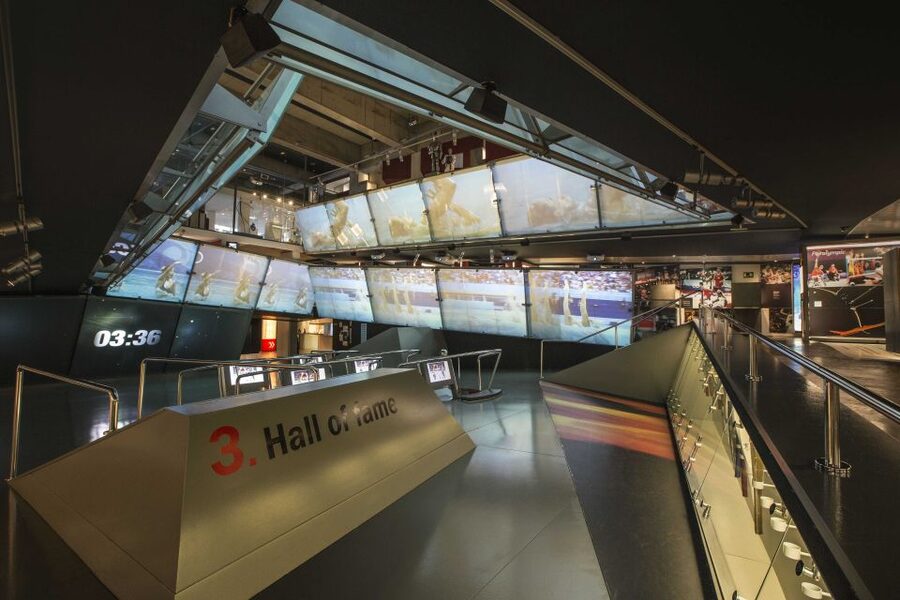
The permanent exhibition covers the different Olympic host cities, with a clear sweep from Barcelona 1992 to London 2012. That matters because it turns the Olympics into a map-based story, not just a list of winners.
You will also see Olympic paraphernalia tied to Barcelona ’92. If you care about Barcelona’s role in modern Olympic history, this is a logical anchor point for the visit, especially since the museum sits in the same Montjuïc sports orbit that the city is famous for.
The museum also blends in the broader idea of Olympic sport versus other popular competition formats. That is why, besides Olympic-focused displays, you will find areas covering sports such as football, Formula 1, skiing, cycling, canoeing, and tennis.
Why this matters for your visit: if you go expecting only track and swimming, you might feel surprised in a good way. The museum nudges you to see sport as a whole ecosystem, where training, gear, and competition culture connect across many disciplines.
Another side of Barcelona worth booking on the same trip:
- Barcelona: Park Güell Admission Ticket
★ 4.4 · 76,534 reviews - Barcelona: Casa Batlló Entry with Self-Audioguide Tour
★ 4.7 · 25,359 reviews - Barcelona: 24 or 48-Hour Hop-On Hop-Off Bus Tour
★ 4.4 · 20,872 reviews - Barcelona: Park Guell Guided Tour with Skip The Line Entry
★ 4.7 · 17,563 reviews
Non-Olympic Sports and the Value of the “Big Tent” Approach
I appreciate when a sports museum does not treat everything outside the Olympics as less important. Here, you can explore an Olympic world and then compare it with major sporting events that operate by their own rules.
That can be great for families because different people latch onto different things. One person might get hooked by cycling or tennis, while another is stuck on football or the precision vibe of Formula 1. And then the Olympic story provides the shared thread that keeps the visit coherent.
It also helps adults who feel a little “museum fatigue.” If you are spending time in Barcelona doing classic sightseeing, this museum breaks the pattern. You still get Barcelona in the background, but the content is about motion, technique, and competition, not just dates and architecture.
Idols, Trophies, Athlete Shoes, and the Samaranch Collection
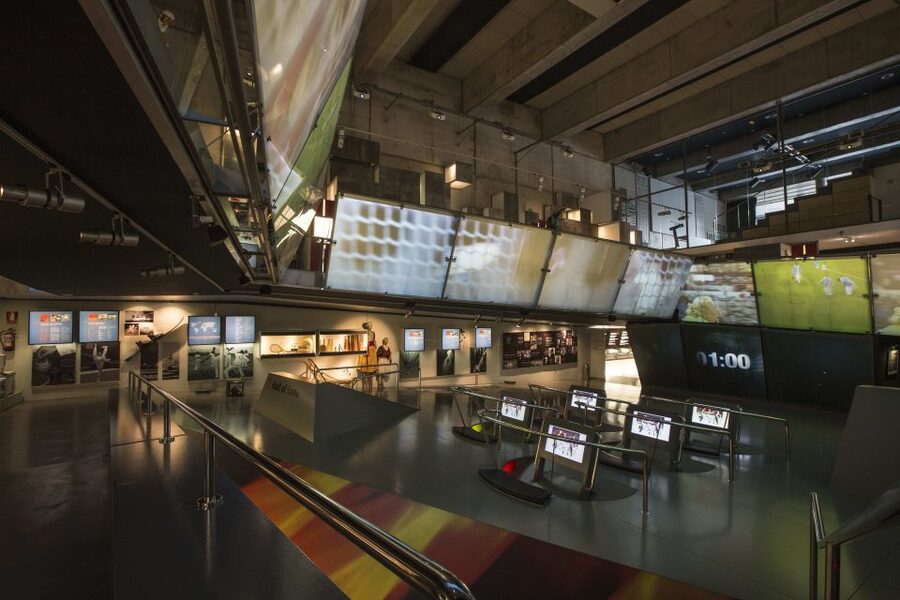
The museum has an Idols space that focuses on trophies, milestones, and famous athlete moments. It is the part of the visit that shifts from training mechanics to legacy and achievement.
One of the most fun interactions is the shoe comparison. You can compare your shoes with those of great athletes, including Michael Jordan, Pau Gasol, and Roberto Dueñas. It sounds playful, but the idea is serious: sports technology and fit are part of performance, not just branding.
There is also a Samaranch collection. You get to see the museum’s attention to Olympic leadership and the institutional side of sport, not only the athletes on the medals podium. And you may be able to enjoy a live sports match as part of the programming, though it is worth going with the mindset that this is an added feature rather than the entire reason to visit.
My advice here is to slow down slightly in this section. The interactive parts can pull you forward fast. Idols and memorabilia spaces are where you get the emotional payoff, the stories behind the names, and the sense of why Olympics moments stuck in the public imagination.
Paralympic Section: What You Learn and How It Lands
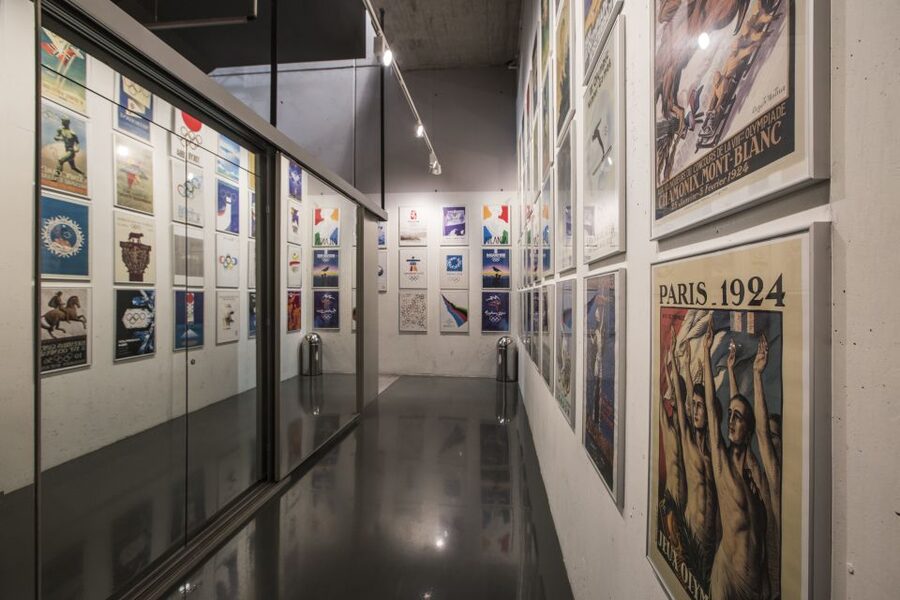
There is a special Paralympic section, and it does more than list events. It presents a history of the Paralympic Games and includes sports like football for the blind and visually impaired and wheelchair basketball.
If you care about sport as a human story, this area gives the broader context that makes the rest of the museum feel more complete. Olympic sport is only one lane of athletics. Paralympic sport shows what competition means when the playing field is adapted and the athletes’ skill is still the center of gravity.
This section also tends to work well for families because it is easier to understand than complex technical exhibitions. You can learn the basics of different sports formats while still connecting to the excitement of competition.
Temporary Exhibitions: Photography and Art on Paper Add Another Angle
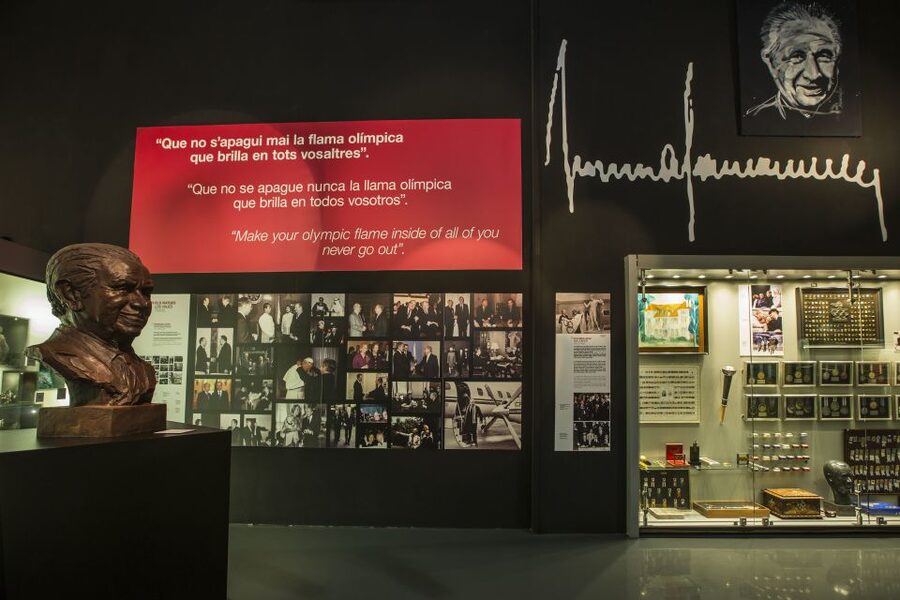
Your ticket also includes temporary exhibition content. This is not a quick afterthought. It helps the museum broaden from sport-only content into emotion, practice, and visual culture.
Two current temporary exhibits are listed as included:
- Values and Emotions of the COPLEFC Photography Contest, running until January 25, 2026. The contest began in 1999 and has multiple editions, built around images that show the values and emotions that come from physical activity in all forms.
- XI Barcelona Olympic Foundation International Art on Paper Award, running until November 9, 2025. It is organized by Fundació Barcelona Olímpica, and the foundation has kept a link between art and sport alive since 2010.
If you like sports but also like thinking about how sport is seen, photographed, and celebrated, these exhibits can be the most surprising part of your visit. They add a softer side to all the simulations and stats.
Logistics That Matter: Language, Age Rules, and Pace
A few practical points can help you avoid friction.
First, the language listed is Spanish. That does not mean the museum is impossible in other languages, but the depth of interpretation will rely on your ability to read Spanish signage and understand Spanish explanations. If you are traveling as a non-Spanish speaker, plan to focus on the interactive stations, where you can learn by doing rather than translating every paragraph.
Second, unaccompanied minors are not allowed. So if you are traveling with kids, keep supervision in mind. This is also the kind of museum where having a plan helps families, because kids can move quickly between stations.
Third, the museum is wheelchair accessible. That is good to know because Montjuïc is not the easiest terrain, and having an accessible indoor option matters.
Finally, there is value in a slower pace. One review noted that the museum can feel quiet, which makes the experience easier if you want time at the stations without shoulder-to-shoulder pressure. Even if it is not always quiet on your day, you can still get a calm feel by arriving earlier in your schedule.
Price and Value: Is $7 Actually Fair for What You Get?
At $7 per person for a 1-day ticket, this museum is priced like a smart budget activity. The reason it feels good value is that you get a mix of:
- Interactive simulator time (running, swimming technique, cycling, weightlifting)
- Olympic host-city context for Barcelona 1992 through London 2012
- Non-Olympic sport coverage that widens the appeal
- Athlete legacy and memorabilia, including shoe comparisons
- A Paralympic section that broadens the meaning of competition
- Included temporary art and photography exhibits with specific dates
It also holds up for different interests. If you love Olympics only, you get the host-city story and the Olympic paraphernalia. If you love performance and mechanics, you get the simulators. If you are more into inspiration and culture, you get Idols, art, and photography.
The experience provider is Touristcheck, Museu Olimpic, so it is a real museum operator type of setup rather than a pop-up activity. The overall rating given is 4.4 out of 5 based on 65 reviews, which lines up with the idea that it is generally liked for value and structure.
Best for Who: Who Will Enjoy This the Most
This is a strong fit for:
- Families who want hands-on stations, not only exhibits on walls
- Sports fans who want a mix of Olympic and non-Olympic disciplines
- Barcelona visitors who want to add something athletic and educational on Montjuïc
- People who like seeing athlete legacy, equipment, and training concepts presented in a practical way
If you are the kind of traveler who hates interactive museums and prefers quiet galleries, you might feel that not every room is equally deep. But if you like learning through action, you are going to have a fun time.
Practical Extra: Stadium Photos If It Is Open
One helpful tip from the experience: there is a stadium open just down the road, and it can be a good spot for pictures and views. I would not count on it being open every time, but if you are already on Montjuïc, it is worth checking on arrival and using that as an easy add-on.
Should You Book This Olympic and Sports Museum Ticket?
Book it if you want a low-cost day on Montjuïc that blends interactive sport stations with real Olympic context and a Paralympic focus. At $7, you are not taking a big gamble, and the included temporary exhibits add extra value if your dates match the listed run times.
Skip it or plan carefully if you need everything explained in English, because the listed language is Spanish. Also, if you expect the Barcelona Olympics theme to be the only focus, you should know the museum covers much more than that, including a broader sports world and multiple Olympic host cities.
If you want an affordable, active museum stop with a clear theme and enough variety to keep different people interested, this is a very reasonable choice.
Recently reviewed in Barcelona
- Barcelona: Sagrada Familia and Park Güell with Hotel Pickup★ 4.5 · 33 reviews
- Barcelona: Sagrada Familia, La Pedrera & Cava Tasting Tour★ 4.2 · 33 reviews
- Barcelona: Sagrada Familia, Park Guell & Tapas Private Tour★ 4.9 · 47 reviews
- Barcelona´s Lunch or Dinner Tapas Tour: Food and Happiness★ 5.0 · 8 reviews
- Barcelona: Sagrada Família and Park Güell Guided Tour★ 4.7 · 6 reviews
- Barcelona: Rooftop Tapas and Sangria Class with a Chef★ 5.0 · 60 reviews
- Barcelona: Fun & Unpretentious Rooftop Wine Tasting★ 4.1 · 26 reviews
- Barcelona: Rooftop Tango Lesson with Drinks and Videos★ 4.9 · 159 reviews
Museums, compared.
FC Barcelona Museum “Barça Immersive Tour” Ticket
Read our review →
Park Güell and Gaudí House Museum Entry Ticket
Read our review →
Girona & Dali Museum Small Group Tour with Pick-up from Barcelona
Read our review →
Browse the lists this tour appears in