
Reviewed · SCUBA DIVING
Barcelona: PADI Scuba Diver Course Certification Training
Getting PADI Scuba Diver certified in Barcelona in a single day is interesting because you go from classroom basics to in-water skill practice with very close coaching. I like the small group limit (just 6 people), and I especially appreciate the instructor style described by students, like Pau being calm, patient, and clear in English.
The main drawback to consider is that underwater visibility at the practice spot can be hit or miss. One review flagged poor water clarity, so go in for training confidence first, not for guaranteed scenery.
Key things to know before you go
- One-day format: theory in the morning, then structured water practice that ends with your certification
- Three water practice sessions: enough reps to learn core skills without stretching into a multi-day trip
- Coach-led, safety-first training: instructors focus on communication and making sure everyone understands
- Small groups (up to 6): more attention when you are learning buoyancy, gear use, and signals
- Health screening matters: you will fill out a medical questionnaire, and some answers can prevent participation
- Plan your flight timing: you must wait 24 hours after the course before flying
Why This One-Day PADI Scuba Diver Course Works in Barcelona
Barcelona is a great city to learn scuba skills because you get a real “big city” day, then you’re back on land with time to eat, walk, and explore. The PADI Scuba Diver course also fits travelers who do not have weeks to spare. You’re aiming for certification that lets you go on future guided scuba outings anywhere it is offered, and the course structure is built to get you there efficiently.
What makes this course feel practical is how tightly it’s scheduled. You start with a theory session at 9:00, then you move into the water for three different practice sessions where you rehearse what you learned. That flow matters. New students often freeze when they first get gear on and start moving in water. Here, the training is designed to reduce that panic by turning each concept into a skill you can actually perform.
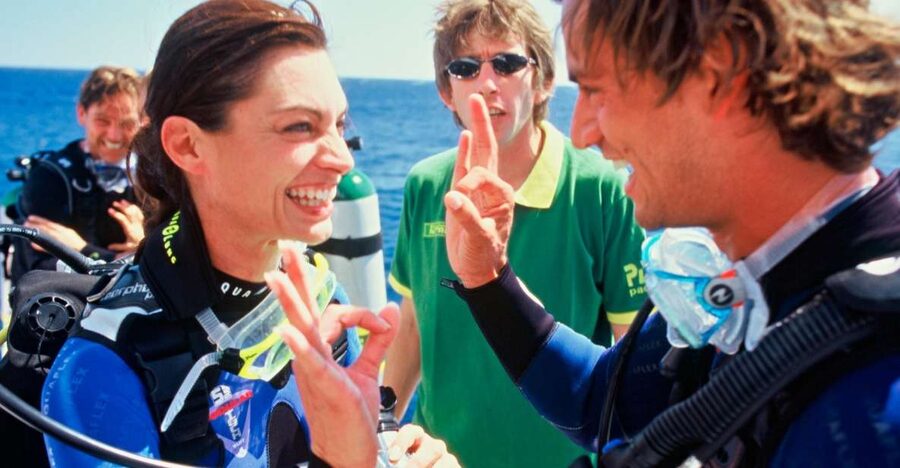
The course also leans into communication and safety, not just the fun part. That means you spend time on how equipment works and how you communicate underwater. If you are the type who likes knowing the why behind your actions, you’ll probably feel more confident by the time you finish the day.
A few more ways to see Barcelona
- Barcelona: PADI Discover Scuba Diving
★ 4.7 · 1,016 reviews - Tossa de Mar: PADI Discovery Scuba Diving in Costa Brava
★ 4.8 · 276 reviews - Tossa de Mar: Scuba Diving Experience for Beginners
★ 4.9 · 232 reviews
The Meeting Point and What Your Day Looks Like (9:00 to 19:00)
You meet at the iDive BCN office at Avinguda Diagonal, 72. Plan to arrive at least 15 minutes early. If you show up late, you will not be allowed to participate, and there are no refunds or rescheduling for late arrival. That policy is strict, but it also keeps the training schedule smooth for everyone.
Your schedule is simple on paper, but packed in real life:
- Theory session starting at 9:00
- Then you head to the water practice location for the three training sessions
- The day ends by 19:00, and you are certified at the end of it
Because it’s one full day, you’ll want to treat it like a real appointment, not something to fit around lunch plans. Also remember food and drinks are not included. If you expect a long gap between your final theory bits and getting your water time done, bring a plan for eating before or after, based on where your schedule allows.
If you care about comfort, this matters: your day will include changing into swimwear and spending time in and out of the water. The “what to bring” list is short, but packing well will make the schedule feel far less stressful.
Theory First: Equipment, Underwater Communication, and Safety Basics
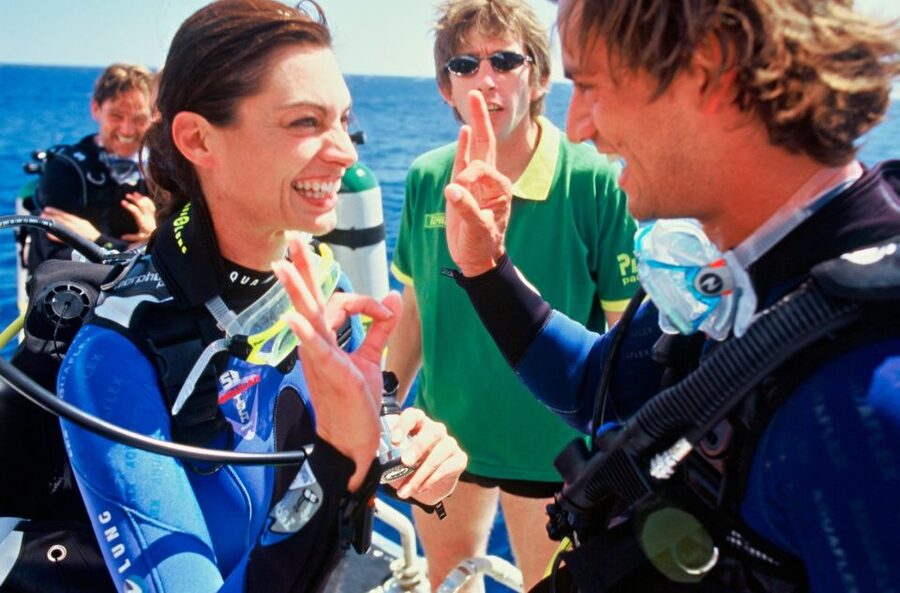
The theory session is where you build the mental map. You’ll learn how the scuba gear works, how communication works underwater, and what you need to do to stay safe and controlled in the water. This is not just trivia. For many new students, the theory is what makes the in-water part feel possible.
Look at the instructor approach mentioned in reviews. Students describe instructors who explain clearly and check that everyone understands before moving on. Pau, for example, was praised for being kind, patient, and for explaining concepts thoroughly without rushing people. That style matters because scuba skills stack fast. If you miss one step in equipment basics, you can end up feeling overwhelmed later.
You should also take the theory seriously from a body-control standpoint. The course emphasizes controlled practice. That means you are not just “getting wet.” You’re learning how to manage your buoyancy, movements, and communication so you can function calmly underwater.
Three Water Practice Sessions: Where Skills Become Real
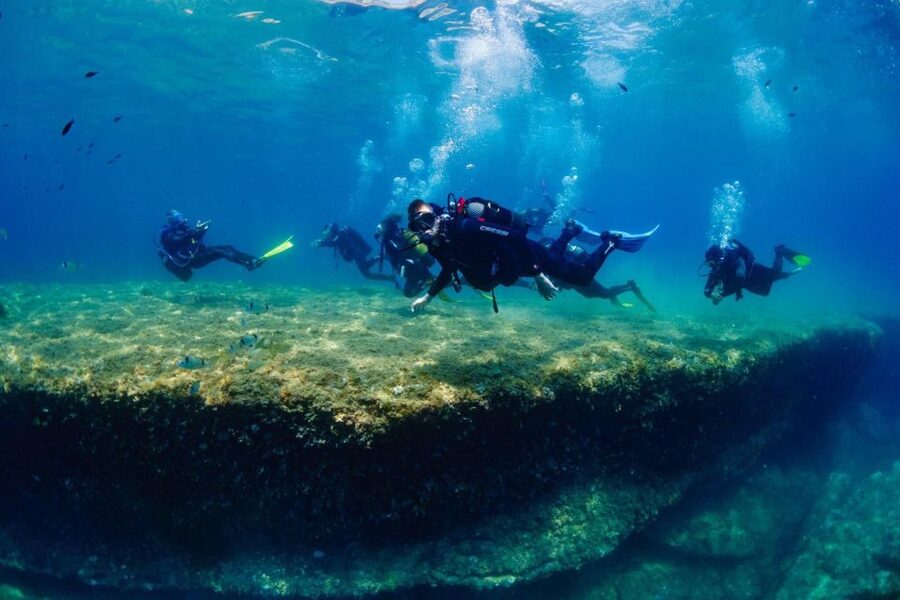
The heart of the course is your three structured water practice sessions with a PADI-certified instructor. This is where you take the concepts from the theory room and turn them into actual muscle memory.
Even though the exact details of each session are not listed here, the course design is clear: each session is meant to cover different essential skills. You and your instructor practice together, and you should expect repetition. For new students, repetition is what changes fear into comfort.
Here’s what I’d pay attention to while you are in the water:
- If you get confused, you should ask immediately. The training day is long, but it moves steadily.
- Watch how your instructor handles troubleshooting. Students highlighted that instructors took the time to explain again if something was not clicking.
- Focus on control over speed. The goal is to master the basics safely, not to rush through them.
One review mentioned poor water visibility at the practice location and not much to see around the area. That is a useful reality check. You should treat these sessions as skill training, not a sightseeing mission. If the water is cloudy, it can be harder to judge distance and movement. Your best strategy is to stay focused on the instructor cues and your own breathing and buoyancy.
Another side of Barcelona worth booking on the same trip:
- Barcelona: Park Güell Admission Ticket
★ 4.4 · 76,534 reviews - Barcelona: Casa Batlló Entry with Self-Audioguide Tour
★ 4.7 · 25,359 reviews - Barcelona: 24 or 48-Hour Hop-On Hop-Off Bus Tour
★ 4.4 · 20,872 reviews - Barcelona: Park Guell Guided Tour with Skip The Line Entry
★ 4.7 · 17,563 reviews
Instructors: Why Reviews Name Names (Pau and Alex)
Two instructor names came through strongly in the feedback: Pau and Alex.
Pau was described as incredibly kind and patient, with clear English communication and a calm teaching style. The key takeaway for you is that the instruction is not rushed. When you’re learning scuba basics, pace matters. If you feel pressured, your brain goes into survival mode. When you feel supported, your learning improves fast.
Alex was also praised for making students feel comfortable and safe. Another review added that Alex was flexible in planning according to weather. That matters in Barcelona, where conditions can change quickly. If wind or water conditions shift, an instructor who can adjust the schedule without chaos helps you keep trust in the process.
So yes, instructors matter here. They are not just “passing you off” to equipment. The strongest training is the kind where you understand what you’re doing and why, because that makes future guided scuba trips far easier.
Price and Value: Is $312 a Good Deal for a Full Certification Day?
At $312 per person, this course is priced like a focused, one-day path to the PADI Scuba Diver certification level. The value question is not only the cost. It’s what you get for that cost and how much attention you receive.
Included in the price:
- Scuba equipment
- PADI certification
Not included:
- Photos or videos
- Food or drinks
That coverage makes the price feel more reasonable than it might at first glance, because equipment rental can add up elsewhere. Also, “equipment included” usually means you are not hunting down gear on your own or paying extra for basics you might forget.
The main cost you should plan for is your own day-of expenses, especially food and drinks. Since they are not included, you’ll want to eat beforehand and plan for the day to run until 19:00.
The other “hidden value” is the small group size. Up to 6 participants means you are more likely to get individual feedback. For a certification day, that feedback is often the difference between leaving confident and leaving anxious.
What to Bring: Simple Packing for a Long Water-Oriented Day
The list is refreshingly short. Bring:
- Swimwear
- A towel
- Beachwear
That’s it. The course provides the scuba gear and you are responsible for your personal comfort items. I’d still suggest you think in layers for before and after the water. You will spend time in transit, then in water, then back out again. Even if the day is warm, the time between water sessions can feel cooler.
Also, plan your clothes around fast changes. You do not want to spend 20 minutes wrangling towels and gear while other people are ready. Arriving early and being organized will reduce stress.
Health Rules and the 24-Hour Flight Wait
This course comes with strict medical screening. You will fill out a medical form on arrival. If your answers indicate you need medical permission, you won’t be allowed to carry out the activity. Money will not be returned, and another appointment will not be made if the activity is denied due to health issues.
The requirement is clear: you must be in good health condition and not be taking medications prescribed by a doctor.
There’s also a list of “not suitable for” categories in the provided info. It includes children under 12, pregnant women, people with back problems, mobility impairments, wheelchair users, people with heart problems, respiratory issues, diabetes, people with pre-existing medical conditions, people with recent surgeries, and people over 70.
I’m not trying to scare you. I’m trying to save you hassle. If you have any medical question at all, treat it as a decision point before you go. The time and money you protect by verifying eligibility are worth it.
One more practical rule: you must wait 24 hours after the course to fly. That can affect your flight booking, especially if your trip ends quickly. If your itinerary includes an early-morning flight the next day, adjust it. Your future self will thank you.
Also, alcohol and drugs are not allowed.
Where the Underwater Experience Fits: Marine Life vs. Learning First
This course is about certification, not a travel aquarium. You will explore the underwater world as part of learning, and it’s designed so you can enjoy marine life in future scuba locations. But based on the information given, the immediate practice area may not always deliver great visibility.
So how should you set expectations?
- If you’re hoping for dramatic sea life on day one, keep expectations modest.
- If you want to learn buoyancy, gear handling, and safe underwater communication, you are in the right place.
- Your main “score” at the end of the day is how calm and competent you feel with the basics.
In other words, treat the underwater time like your training studio. The scenery is a bonus when conditions are good, but it’s not the core product.
Small Group Comfort: Why Up to 6 People Makes It Easier
The course is limited to 6 participants. That’s a sweet spot for training. You get hands-on guidance, you are less likely to be forgotten in a corner, and you can ask questions without shouting over a crowd.
Small groups also help with timing. When everyone is moving at a similar pace, the instructor can keep the day on track from theory to water practice and back out again.
For people who learn best with direct feedback, this format can be a big plus. For shy learners, it can also feel easier because you are not one of many.
Who Should Book This Course
This one-day PADI Scuba Diver course is a strong match if:
- You want certification without a multi-day commitment
- You prefer coached, structured practice over solo experimentation
- You value instructors who explain clearly and take time with questions (a repeated theme in feedback)
- You’re comfortable meeting at a central city location and dedicating the day fully
It may not be a match if:
- You need accessibility accommodations not covered in the suitability notes
- You have medical concerns that might affect eligibility
- You cannot follow the 24-hour no-flying rule
- You’re only interested in underwater scenery and not in learning core skills
Should You Book the PADI Scuba Diver Course in Barcelona?
If you want a fast, training-focused route to PADI Scuba Diver certification, I think this course is worth serious consideration. The price makes sense for what you receive, equipment and certification included, and the small-group coaching is exactly what you want when you are learning a new set of skills.
Book it if your goal is confidence in the basics and you can commit to the day schedule, the early arrival rule, and the medical screening requirements. Skip it if you are flying too soon after, have medical factors that might prevent participation, or you mainly want underwater sightseeing rather than hands-on instruction.
If you go in with the right mindset, you should leave with a solid foundation for future guided scuba experiences anywhere it’s offered.
FAQ
What is the duration of the PADI Scuba Diver course in Barcelona?
The course duration is 1 day.
Where do I meet for the course?
Meet at the iDive BCN offices on Avinguda Diagonal, 72.
What is included in the price?
Scuba equipment and the PADI certification are included.
What is not included?
Food and drinks are not included, and videos or photos are not included.
What time does the course start and end?
The theory session starts at 9:00, and the course finishes by 19:00.
What should I bring?
Bring swimwear, a towel, and beachwear.
How soon can I fly after the course?
You must wait 24 hours after the course before flying.
Recently reviewed in Barcelona
- Barcelona: Romantic Private Sailing Tour★ 4.1 · 19 reviews
- Barcelona: Rock Museum- Guitar Legends Hall★ 4.9 · 26 reviews
- Barcelona: Raval Street Art and Graffiti Walking Tour★ 4.9 · 60 reviews
- Barcelona: Rent a Jetski and speed through the ocean★ 4.0 · 4 reviews
- Barcelona: Professional Private Photoshoot★ 4.9 · 28 reviews
- Barcelona: Ramblas, Gothic & Gaudí Architecture Walking Tour★ 4.9 · 136 reviews
- Barcelona Photo Experience: famous landmarks or the beach!★ 4.9 · 48 reviews
- Barcelona Private Tour: Sagrada Familia,Park Güell & Pedrera★ 4.9 · 13 reviews
Scuba Diving, compared.
Tossa de Mar: PADI Discovery Scuba Diving in Costa Brava
Read our review →
Tossa de Mar: Scuba Diving Experience for Beginners
Read our review →
Browse the lists this tour appears in