
Reviewed · HISTORICAL TOURS
Barcelona: The Spanish Civil War Historical Walking Tour
What makes this tour so interesting is how the Spanish Civil War shows up in everyday Barcelona streets, not just in textbooks or museums. I love the way the guide turns a messy, intimidating topic into something you can actually follow, and I like that you end in the Gothic Quarter with history that still feels close. The main drawback: the subject matter is political and tied to war and dictatorship, so it may not be everyone’s comfort zone, especially for families with little kids.
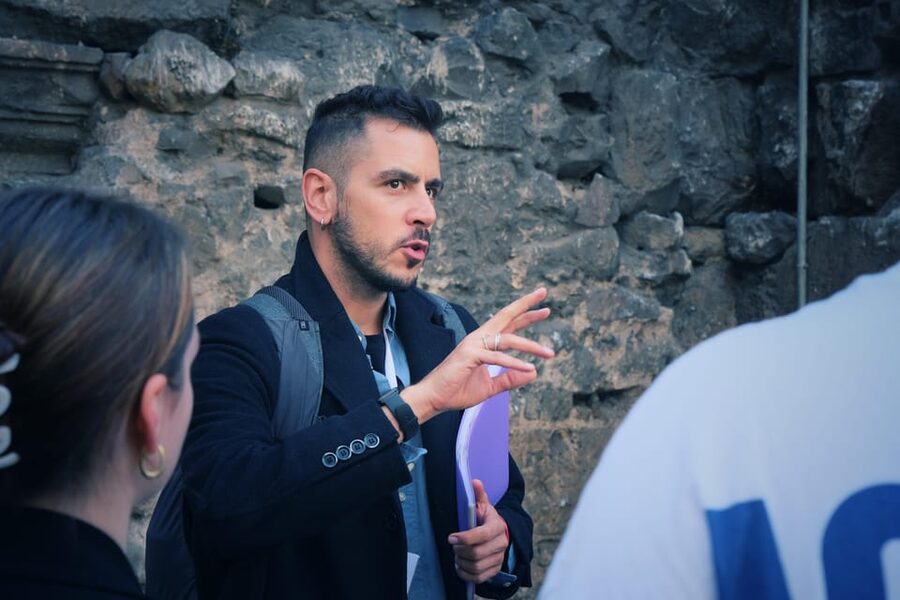
The best part is that you are not doing a “sit in a room and read plaques” experience. You are walking, stopping, listening, and using the guide’s pictures to connect ideology to real places. I also appreciate that the tour uses optional wireless tour guiding, which helps when street noise and accents get in the way.
Key things to look for on this walk
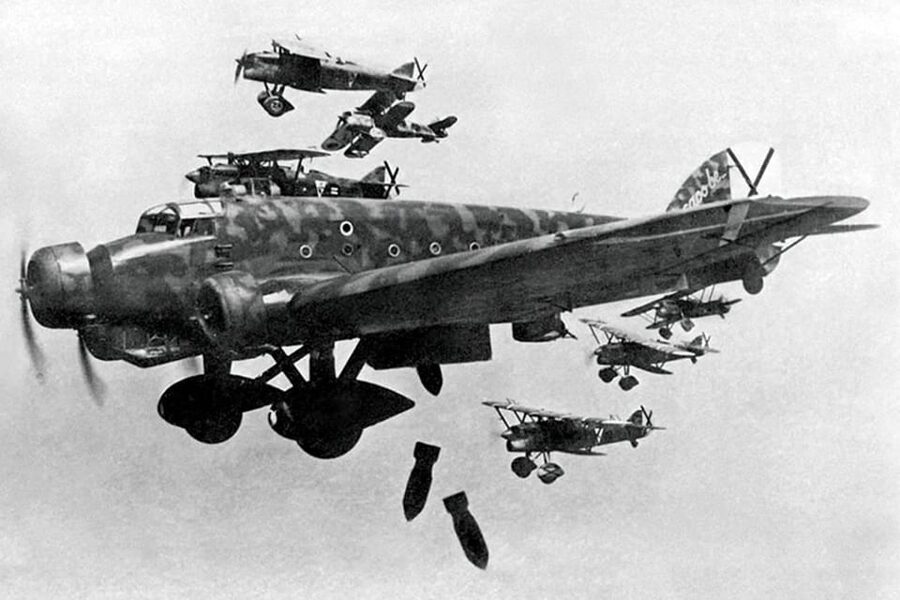
- Scarred old-town streets where fighting and fascist bombings happened, tied to what came next
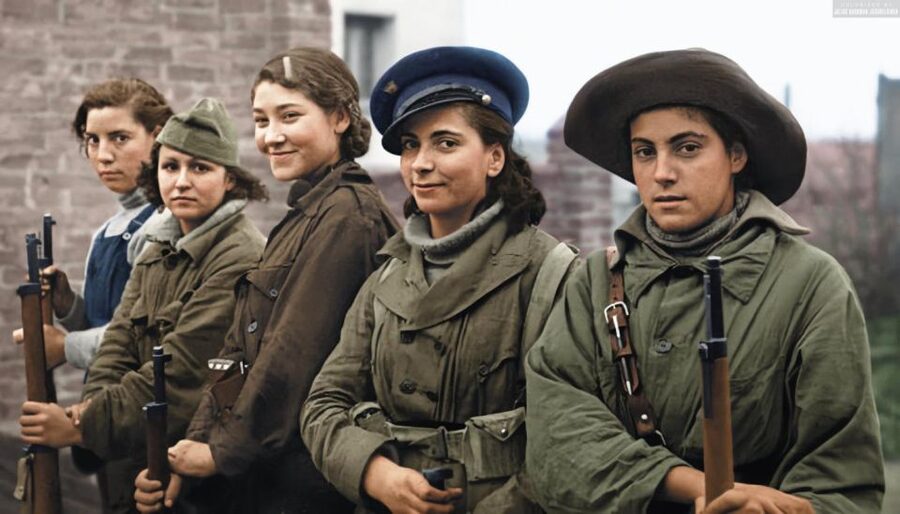
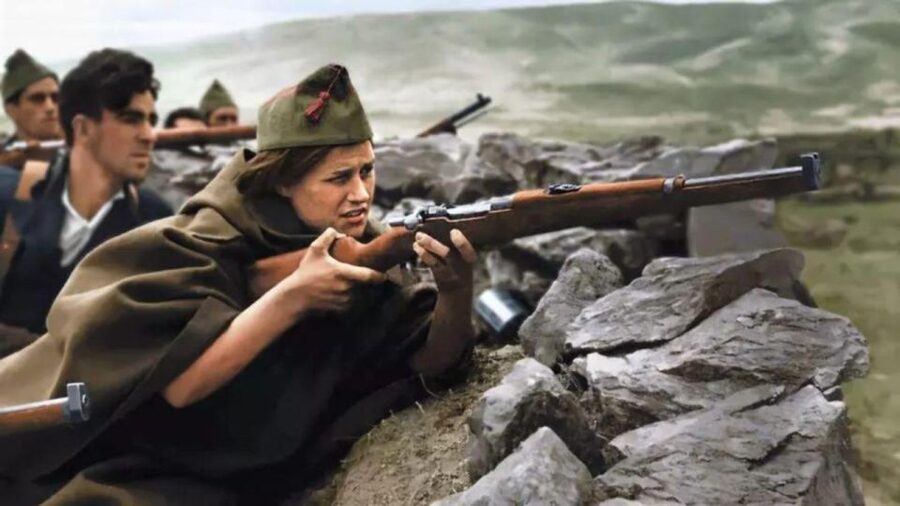
- Clear factions, explained simply: Fascists, Loyalists, and Anarchists, plus how they argued about Spain’s future
- George Orwell’s Barcelona connection through places linked to Homage to Catalonia
- Foreign pressure in the story: the role of Hitler and Mussolini, and the International Brigades
- Big questions answered: how Western Allies responded, the Catholic Church’s role, and Franco’s long dictatorship
- History to now: how Spain deals with this period of trauma today
Why Spain’s Civil War shows up in Barcelona streets
This is the kind of tour that makes you stop seeing Barcelona as only architecture and sunshine. The guide keeps returning to a basic idea: political beliefs were not just ideas in speeches. They shaped neighborhoods, choices, fear, and survival.
What I like about the format is that it is built for understanding, not just collecting facts. The guide lays out what led to the war, then helps you keep the “who wanted what” straight. If you have ever looked at the Spanish Civil War and thought, This is too complicated, you are the right audience.
You’ll also hear why Barcelona feels like a special case. Catalonia experienced the war differently than other parts of Spain, and that difference comes through in the way the guide points out the physical traces in the old town.
Finally, the tour leans into a truth many cities struggle with: there are often few official museums or memorials for the events you most want to understand. Walking here becomes the memory tool, turning streets into context.
More walking tours in Barcelona:
- Barcelona Tapas and Wine Experience Small-Group Walking Tour
★ 5.0 · 5,804 reviews - Barcelona: Tapas Walking Tour with Food, Wine, and History
★ 4.8 · 4,261 reviews - Barcelona Tapas Walking Tour: Food, Wine & History
★ 4.5 · 1,928 reviews
Meeting in Plaça de Catalunya, then easing into the old town
You meet on the sidewalk in front of Foot Locker on Plaça de Catalunya. Your guide will be there with a white umbrella, so you can spot them fast and get moving.
The tour runs about 2.5 hours, and it is not a nonstop march. Guides keep the pace realistic: you walk a bit, then stand in one spot while the guide explains what happened there and why it matters. One review-style tip I would follow: wear comfortable shoes anyway, because you do spend time standing, even when the walking itself is manageable.
The ending point is in the middle of the Gothic Quarter, near Barcelona city hall. That matters because it gives your brain a clean “wrap-up zone.” You finish in the part of town that most visitors already associate with classic Barcelona, which makes the contrast hit harder: the medieval postcard is right there, while the modern trauma story is also layered underneath.
The factions lesson: making sense of Loyalists, Fascists, and Anarchists
The Spanish Civil War is famous for the dramatic names, but the hard part is sorting motives. This tour is designed to solve that problem.
You’ll walk through the background leading to the outbreak of the war, then zoom in on the main political forces that fought for different visions of Spain. The guide keeps the narrative clear, so you are not just memorizing labels.
Here’s what the tour explicitly covers:
- What Hitler and Mussolini contributed to the conflict
- Who the International Brigades were in the overall fight
- How the Western Allies responded to the war and to Franco’s later dictatorship
- The role of the Catholic Church during that era
- How the country moved from civil war into a long dictatorship
What makes this valuable for you is that the guide treats ideology as something people lived with, argued about, suffered under, and tried to turn into daily reality. That is why the story does not feel like a cold battle map. It feels like a human conflict with systems behind it.
And yes, the factions can still feel tangled. One of the highest praised strengths of the guides (I saw names like Javier, Chrisa, Yannis, Henrieta, Filipa, and Evan show up in different runs) is that they answer questions and keep correcting confusion in real time. If you tend to get lost when history gets complicated, this format is built to pull you back in.
Orwell’s Barcelona connection: seeing Homage to Catalonia on the street
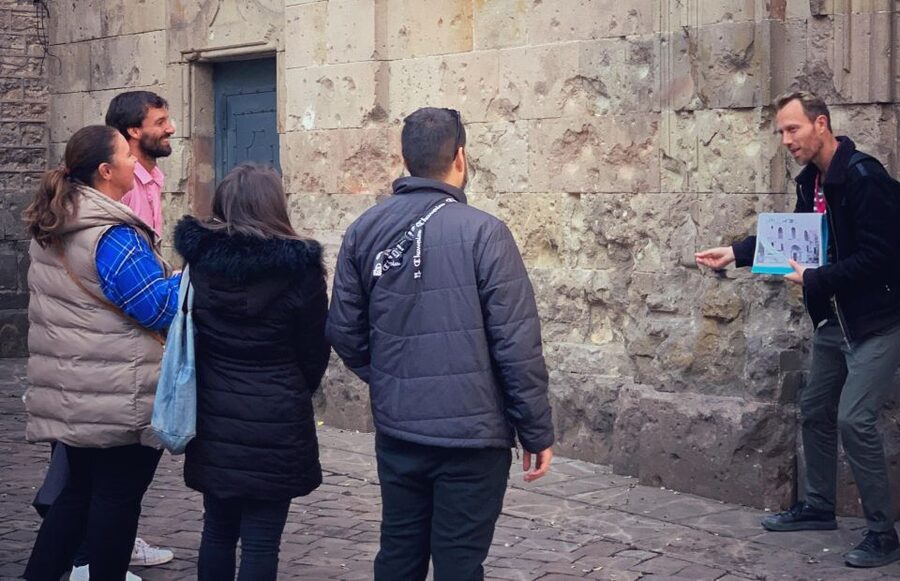
The tour includes places George Orwell mentions in Homage to Catalonia. Even if you do not know the book by heart, you’ll get enough context to recognize the link between literature and real geography.
The effect is practical. You stop reading the book as a set of scenes and start seeing it as a map of tensions. The guide helps you understand why those specific settings mattered, and how the war played out in the rhythms of a city.
This is also where the tour goes beyond the usual “tourist facade” of Barcelona’s major sights. Instead of only pointing at iconic buildings, the guide connects you to the gritty part of city life where politics and fear collided. That is what makes the experience feel different from standard sightseeing.
One helpful mindset: expect the tour to use pictures and visual materials during key explanations. You are standing in a real place while the guide shows images tied to the same ideas. That one-two combo helps your memory stick.
A few more ways to see Barcelona
- Barcelona: 2.5-Hour Bike or E-Bike Historical Tour
★ 4.5 · 1,262 reviews - Barcelona Erotic Museum – Explore Art, History & Fun
★ 4.4 · 450 reviews - Andorra Original History and Sightseeing Tour (Private, Pickup)
★ 5.0 · 350 reviews - Barcelona: Dark History Night Walking Tour
★ 4.8 · 344 reviews
Standing at scars, not gift shops
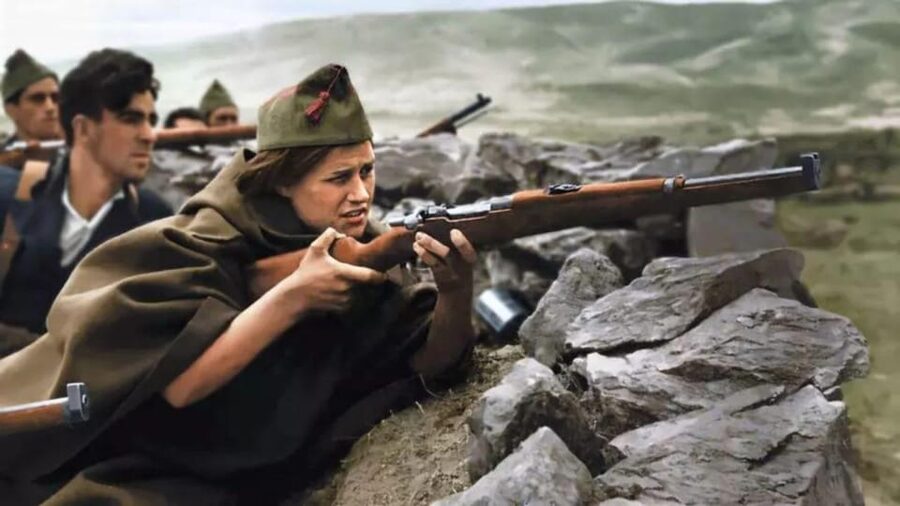
A big promise of this tour is that there are virtually no official museums or memorials telling this full story in one place. So the walk itself becomes the “museum.”
You’ll be guided through old-town streets tied to the fighting and fascist bombings. The guide points out remnants and scars, then explains what they represent. The point is not shock value. It is connection: architecture and street geometry become evidence for how events unfolded.
This also explains why the tour feels more serious than typical walking tours. The guide does not treat Barcelona’s history as a backdrop. It is a subject.
If you are visiting Barcelona mainly for museums, this tour may feel like a change in pace. That’s a good thing. It gives you the street-level version of what you might otherwise miss.
From war to dictatorship: the 36-year aftermath you should know
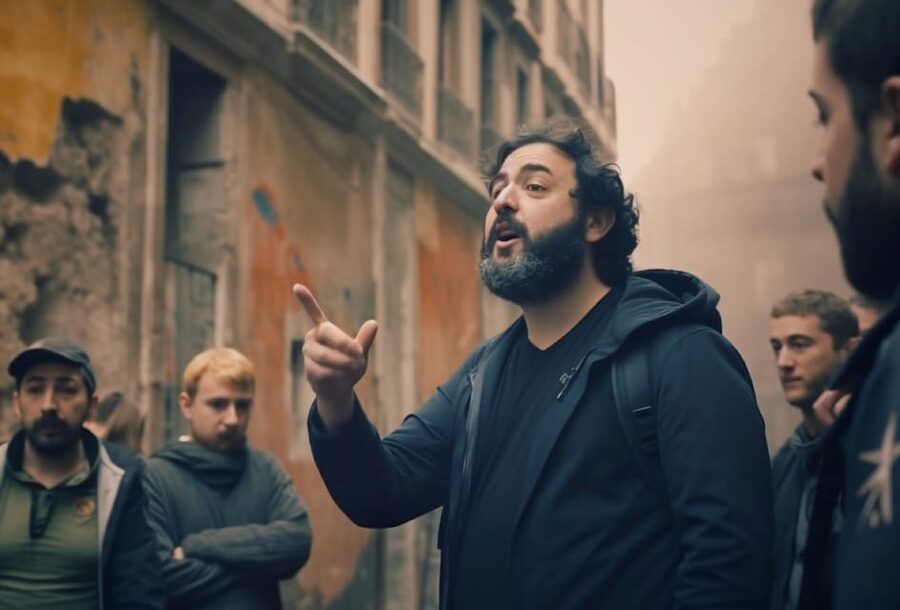
The civil war is only half the story. The tour makes sure you understand the next phase: the long dictatorship that followed, lasting 36 years, ending less than 50 years ago.
This is important for you because it changes how you interpret everything earlier. When a country goes into dictatorship after intense civil conflict, people do not only lose battles. They lose freedoms, institutions change, and memories get managed.
The guide explains how:
- Franco’s rule shaped Spain after the fighting
- Western responses played into the larger international picture
- The Catholic Church’s role mattered beyond the battlefield
- International involvement influenced what the conflict looked like
This is where guided storytelling shines. Without a framework, you might treat each part as separate: war, then dictatorship, then modern politics. Here, it is one chain.
How Barcelona and Spain handle historical memory now
You also get the “so what?” section. The tour addresses how Spain deals with this period of history today.
That means you will hear about the legacy of dictatorship and the importance of historical memory for democratic life. I found it especially useful if you are the type who likes to understand why politics still shows up in public life decades later.
There’s also a human angle that stands out in the praised coverage I saw: discussion of women’s politics during the Second Republic and the Spanish Civil War era, including references to Mujeres Libres. If you are used to war stories that focus only on generals and big speeches, this is one of the ways the tour broadens the story so it feels more complete.
Price and value: $46 for 2.5 hours of real context
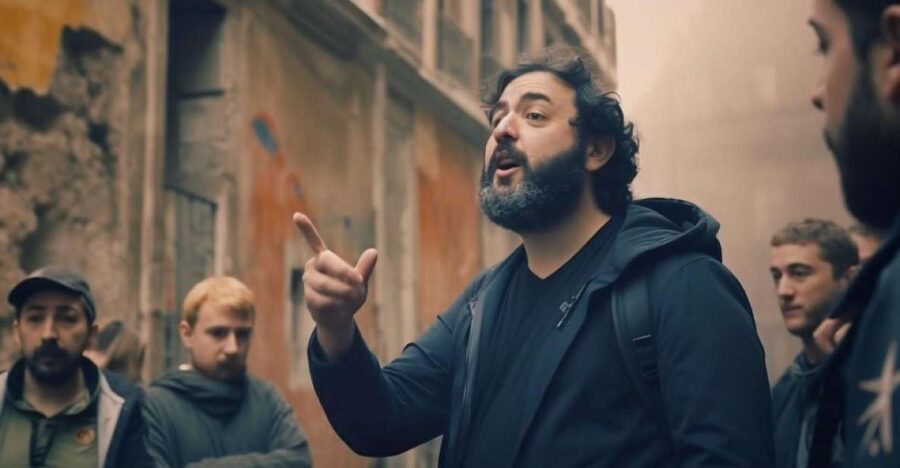
At $46 per person for about 2.5 hours, this is not a bargain snack tour. But it is good value if you care about understanding.
Here is why the price makes sense:
- You get a professional guide focused on one dense topic
- The tour uses visuals and clear explanation to reduce confusion
- There are very few official “museum substitute” options for this exact street-level angle, so you are paying for interpretation in real time
- The experience is built around questions, and multiple guides are praised for handling them well
One extra detail to plan for: many runs use wireless tour guiding systems, and there is an extra 1€ per person charged at the beginning. You can pay by card or cash. If you are sensitive to background noise, that small fee is worth it.
Food and drinks are not included, so I suggest doing this early or mid-day and then treating lunch as your reward. Also expect it to run rain or shine, so bring something for the weather.
Who should book this tour, and who might want a different match
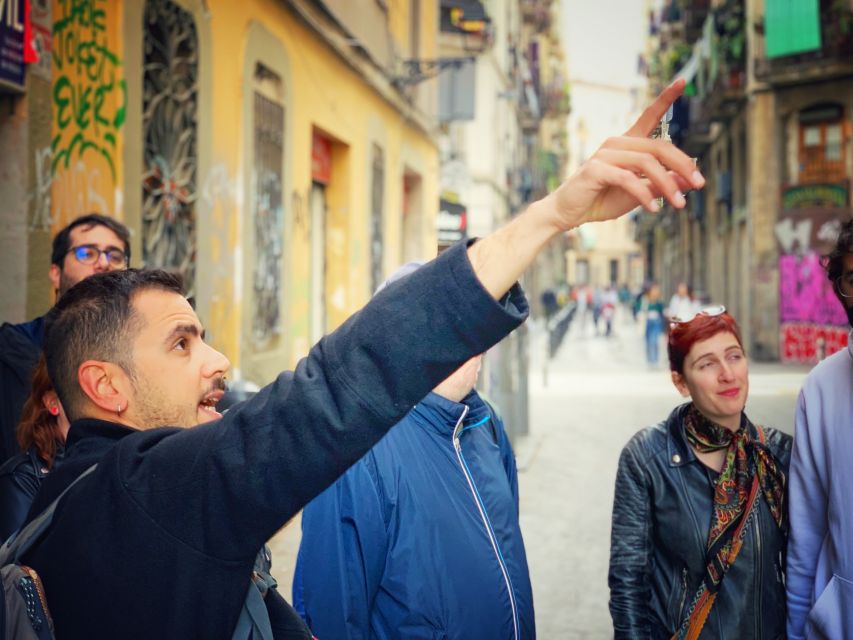
This tour is best for you if you:
- Want the Spanish Civil War explained in plain language
- Like walking tours that actually teach, not just show
- Prefer context tied to real streets
- Enjoy asking questions and hearing follow-up answers
It is not ideal if you want a light, family-friendly history stroll. The tour is not advised for children due to the political and war-related content, although children are allowed to join.
If you are curious about modern Spain and how recent history still shapes culture and politics, this walk hits the right note. If you are only here for the most famous tourist highlights, it may feel heavier than you expected, but the payoff is sharper understanding.
Should you book the Barcelona Spanish Civil War walking tour?
If you are even a little interested in how 20th-century politics played out on the ground, I think you should book this. You get a focused 2.5-hour explanation that connects ideology, international players, and the long dictatorship to specific places in Barcelona’s old town.
Plan for comfortable shoes, expect standing time, and treat the topic seriously. The wireless option is a nice quality-of-life upgrade if offered on your date.
FAQ
Where do I meet for the tour?
You meet on the sidewalk in front of Foot Locker on Plaça de Catalunya. Your guide will be there with a white umbrella.
How long is the walking tour?
The duration is about 2.5 hours.
Where does the tour end?
It finishes after about 2.5 hours in the middle of the Gothic Quarter, near Barcelona city hall.
How much does the tour cost, and is there an extra fee?
The price is $46 per person. There can be an additional 1€ per person for the wireless tour guiding system, paid at the beginning of the tour.
What language is the tour in?
The live tour guide is in English. An optional audio guide is also available in English.
Is the tour canceled in bad weather?
No. The tour takes place rain or shine.
Is it suitable for children?
It is not advised for children due to the political, war, and dictatorship subject matter. Children are allowed to join.
Is the tour wheelchair accessible?
Yes, the tour is listed as wheelchair accessible.
Are hotel pickup and food included?
No. Hotel pickup and drop-off are not included, and food and drinks are not included.
Recently reviewed in Barcelona
- Barcelona: Romantic Private Sailing Tour★ 4.1 · 19 reviews
- Barcelona: Rock Museum- Guitar Legends Hall★ 4.9 · 26 reviews
- Barcelona: Raval Street Art and Graffiti Walking Tour★ 4.9 · 60 reviews
- Barcelona: Rent a Jetski and speed through the ocean★ 4.0 · 4 reviews
- Barcelona: Professional Private Photoshoot★ 4.9 · 28 reviews
- Barcelona: Ramblas, Gothic & Gaudí Architecture Walking Tour★ 4.9 · 136 reviews
- Barcelona Photo Experience: famous landmarks or the beach!★ 4.9 · 48 reviews
- Barcelona Private Tour: Sagrada Familia,Park Güell & Pedrera★ 4.9 · 13 reviews
Historical Tours, compared.

Tapas Walking Tour with Food, Wine, and History
Read our review →
Barcelona Tapas Walking Tour: Food, Wine & History
Read our review →
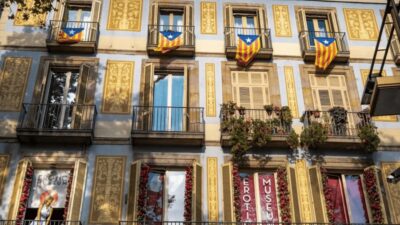
Barcelona Erotic Museum – Explore Art, History & Fun
Read our review →
Andorra Original History and Sightseeing Tour (Private, Pickup)
Read our review →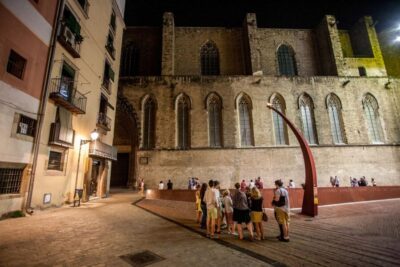
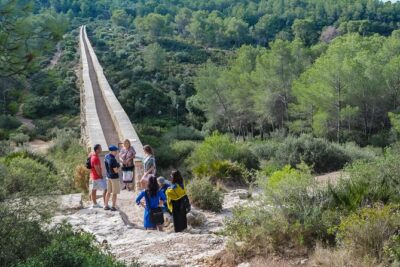
Tarragona and Sitges Small Group Tour – Roman History & Culture
Read our review →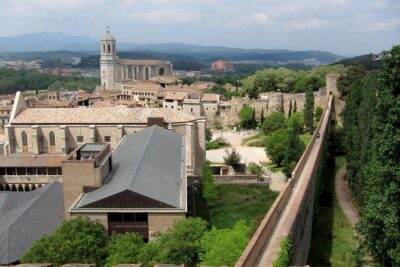
Girona History and Legends Tour Small Group from Girona
Read our review →Browse the lists this tour appears in