
Reviewed · DESSERT TOURS
Bean to Bar Chocolate Workshop in Barcelona
This bean-to-bar chocolate workshop is interesting because you do the work, from a real cocoa pod to the chocolate bar you carry out of the shop. It is also a Barcelona activity that feels different from the usual food tours because you get your hands on the process, not just a product tasting.
I love the hands-on roast, peel, and grind part. You learn how cocoa turns from something raw and stubborn into a smooth base you can actually work with. I also love the history and tasting angle, with cocoa-based drinks and chocolate samples that help you understand why different beans taste different.
One consideration: it is a practical workshop, so expect cocoa dust and some greasy bits. Also, you only make one bar to take home, so it is not a heavy “consume as much chocolate as possible” session.
Key things I’d circle before you go
- Real cocoa pod first: you get to observe one and connect it to what happens in the fields.
- Hands-on bean processing: you roast, peel, and grind cocoa beans yourself.
- Cocoa paste to chocolate: you make your own cocoa paste and then turn it into a finished bar.
- Tasting through the process: you try multiple cocoa-based drinks and several chocolate samples.
- Bean-to-bar talks with community context: you hear how local cocoa-producing communities live and why that matters.
- Small group, up to 8: you get time for questions in Spanish and English.
Bean to bar at Local Kina Chocolates: what makes it worth your 2 hours
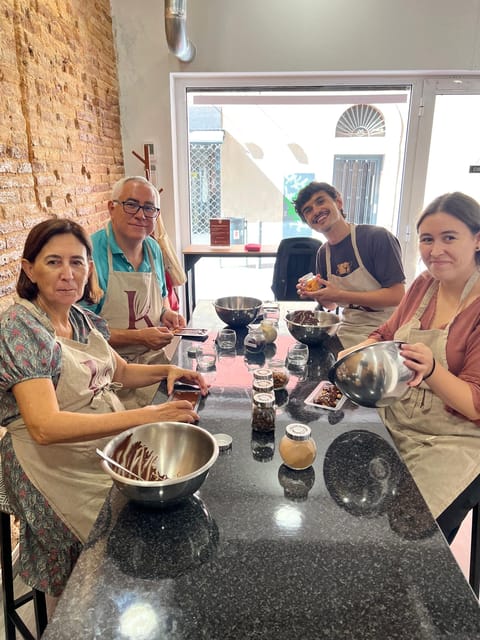
At Local Kina Chocolates, the setting is simple and close-up, and that is part of the charm. This is not a big auditorium class. It is a hands-on workshop built around the idea that chocolate becomes easier to understand once you do the steps yourself.
You are paying $47 per person for two hours of practical work, tasting, and guided explanation. The value here is the combo: you learn the story of chocolate while also learning the mechanics of it. That is why people tend to remember this long after other food tours fade.
You also get a few concrete extras: an apron and a hat, plus a personalized certificate and a summary to take home. It sounds small, but it helps you keep the key facts straight, especially if you love food trivia and origin stories.
If you want something purely indulgent, this might feel slightly more educational than you expect. But if you like learning by doing, this workshop hits the sweet spot.
A few more ways to see Barcelona
- Barcelona: Unique Sunset Sailing Tour with Tapas & Open Bar
★ 4.7 · 959 reviews - Barcelona Sailing: Light Snacks & Open Bar with Private Option
★ 5.0 · 874 reviews - Barcelona Sensational Sunset Tour with Open Bar and Snacks
★ 5.0 · 681 reviews
The workshop flow inside Kina: pod viewing, aprons, and a small-group pace
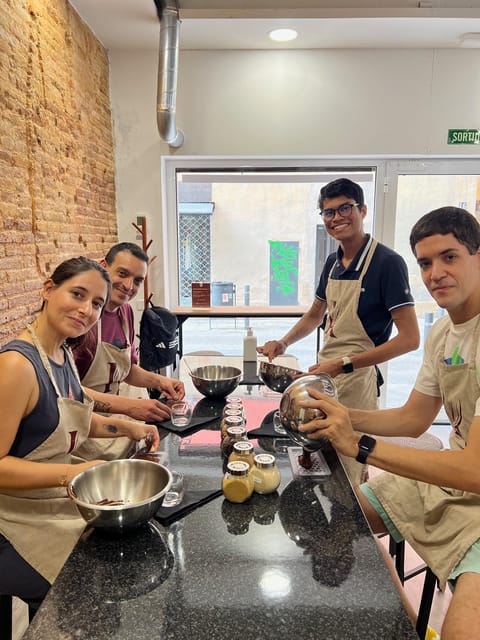
Your visit starts at Local Kina Chocolates, and the whole session is designed for a small group of up to 8 participants. That matters in a chocolate workshop because you are handling tools and food textures, not just watching.
Right away, you are set up with an apron and a hat. That is more than just a costume, it helps you focus on the work without worrying about getting your clothes cocoa-stained.
Then comes the cocoa foundation. You observe a cocoa pod and learn what is done in the fields to obtain the beans. This is where your tasting later makes more sense, because you can connect flavors to where the beans come from and how they are processed.
The guides work in Spanish and English, and some content may be shown in its original language. If you speak only one language, you can still follow the main steps since the hands-on portion keeps everything anchored. Still, it is smart to bring a curious mindset, not perfection in language, because chocolate making has plenty of vocabulary.
This is also a good format if you are traveling with teenagers. The workshop is described as for adults and teenagers, and the pace is active enough to keep attention from drifting.
Roast, peel, grind: turning raw cocoa into cocoa paste
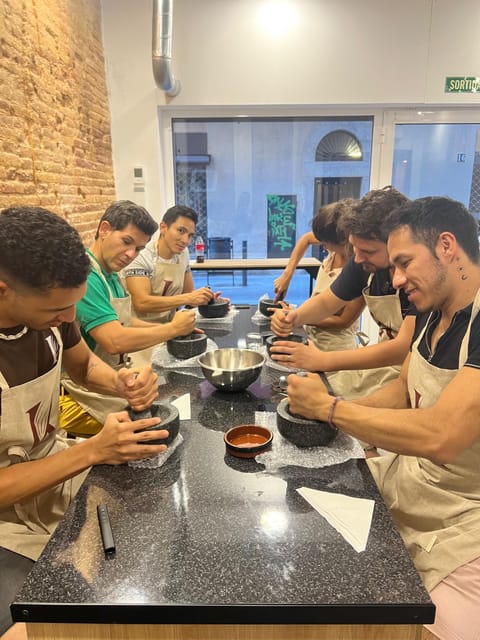
The core of the experience is the transformation. You go through the main stages of chocolate making yourself, including roasting, peeling, and grinding cocoa beans.
Why this is so satisfying: roasting changes the bean’s smell and character fast. Peeling is hands-on and a little messy, because you are separating layers you never think about when buying chocolate in a store. And grinding is the moment that feels almost magical, because you go from crunchy bean bits toward a thick cocoa base.
You also learn how those steps relate to texture and flavor. Even if you do not become your own chocolatier afterward, you start tasting with better intuition. You catch the difference between a flavor that comes from the bean itself and a flavor that comes from processing choices.
One practical note: cocoa can leave a film. A participant described it as a greasy activity, and that tracks with the reality of cocoa butter and roasted residue. Wear clothes you can live with for the evening, and do not plan to look perfectly crisp right after.
The payoff is that you are not just hearing about chocolate making. You are doing it. That is the kind of learning that sticks.
Tasting cocoa drinks and chocolate samples: how flavors get explained in real time
This workshop does not only focus on making. It also focuses on tasting and linking what you taste to what you did.
You prepare various cocoa-based drinks, which is a great move because it expands chocolate beyond the bar. Cocoa has different ways of being enjoyed, and the workshop uses that to show how people used cocoa historically and how it shows up today.
You also taste chocolate samples from beans tied to different climates. That is a big deal for understanding why “chocolate” is not one flavor. Different origins and processing paths lead to different aromas and tastes, and you get to notice those differences while your hands are still fresh from the bean work.
On top of that, you learn the history of chocolate as part of the session. You are not stuck with a lecture. The guide connects history to the steps, so the story becomes something you can picture, not just something you memorize.
If you have ever wondered why some chocolate tastes fruity or nutty and others tastes more bitter or earthy, this is the kind of lesson that gives you the tools to ask better questions at the store afterward.
Another side of Barcelona worth booking on the same trip:
- Barcelona: Park Güell Admission Ticket
★ 4.4 · 76,534 reviews - Barcelona: Casa Batlló Entry with Self-Audioguide Tour
★ 4.7 · 25,359 reviews - Barcelona: 24 or 48-Hour Hop-On Hop-Off Bus Tour
★ 4.4 · 20,872 reviews - Barcelona: Park Guell Guided Tour with Skip The Line Entry
★ 4.7 · 17,563 reviews
The chocolate story, from ancient use to bean-to-bar thinking
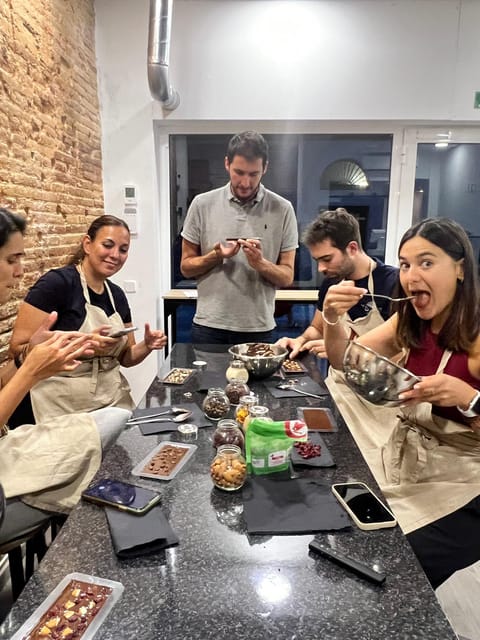
Alongside the hands-on steps, you get a history lesson about chocolate, with a focus on ancient use and how chocolate traveled into modern life. That matters because chocolate is not only a candy. It has a long cultural footprint.
Then the session turns toward bean-to-bar thinking. You talk about how local cocoa-producing communities live, so you can appreciate the work behind the beans. The goal is not guilt. It is understanding, and understanding tends to make you a smarter buyer.
A workshop like this is useful because it reframes what you might look for later. Instead of only checking sweetness levels or brand names, you start thinking about the path from bean to final product. You become more sensitive to how processing choices and bean selection can shape what ends up in your mouth.
It is also a good way to learn the language of cocoa. By the end, you are more likely to recognize terms like fermentation and roasting roles, even if you never plan to do them yourself.
Your take-home bar: what you make, what you get, and how to avoid disappointment
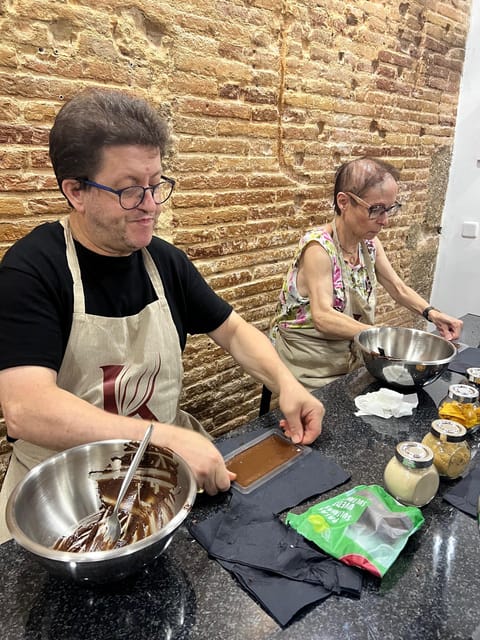
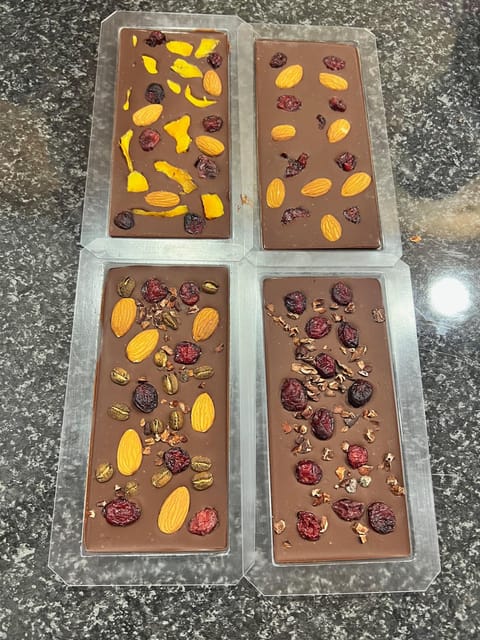
You will make 1 chocolate bar to take home. That is the clean takeaway, and it also helps you set expectations. This is a workshop with tasting and learning, not a high-volume chocolate factory line.
As you build toward your finished bar, you are guided through the process after making cocoa paste. By the time you are shaping and finishing your chocolate, you understand what you already accomplished, and that makes the final product feel personal.
The hands-on nature also changes how you store and eat the bar. If Barcelona heat is on your side, your bar should still be fine, but it is best treated as a fragile food item. If you are walking around all day afterward, consider eating it sooner rather than later.
You also leave with a personalized certificate and a summary, which is helpful if you want to remember what you learned and keep your flavor notes straight. I like having something tangible to point to later, especially when I want to recreate the experience in a chocolate shop.
Finally, there is usually room to browse chocolate at the shop. Just keep the workshop focus in mind: your real learning happens while you are making and tasting, not while you are shopping.
Price and value of the $47, 2-hour workshop
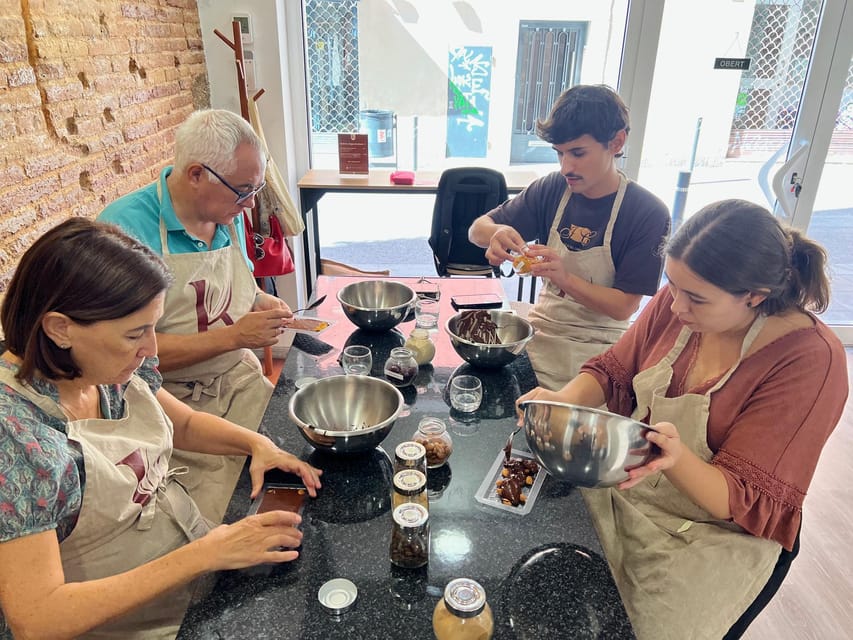
At $47 for two hours, this is not the cheapest thing you can do in Barcelona, but it is also not overpriced for what you get. You are paying for instructor-led guidance, small-group attention, and real materials and tools.
What makes it good value is the full package:
- You do the key steps (roasting, peeling, grinding, cocoa paste).
- You get tasting time (cocoa drinks and chocolate samples).
- You take home a bar and also a certificate plus a summary.
If you just wanted a chocolate tasting, you could find cheaper options. If you just wanted a hands-on food activity, you might find cheaper workshops that do not connect to cocoa origins and history. This one blends all three, so your money buys both the practical skill and the context.
There is also a quality signal in the reviews: the format is repeatedly described as truly hands-on, with an engaging host. People also mention strong Q and A and guides who can explain the why behind the steps, not only the how.
My only “value caution” is the bar count. One bar is satisfying, but it is still one. If your main goal is to leave with several gifts of chocolate, plan to buy additional bars separately at the shop.
Should you book the Kina Chocolates bean-to-bar workshop in Barcelona?
Book it if you want a food experience that is active, not passive. You will likely love it if you care about where ingredients come from and you enjoy learning by doing. It also works well for couples and families with older kids or teens because the pace stays hands-on.
Skip it if you want a low-mess, purely relaxing activity, or if you are expecting a huge amount of finished chocolate to take home. And if you are sensitive to strong cocoa smells and residue, plan accordingly with what you wear.
If you like understanding the difference between “chocolate tasting notes” and real chocolate-making steps, this is a smart use of a rainy afternoon too, since it stays indoors and guided.
FAQ
Where is the meeting point for the workshop?
You meet at Local Kina Chocolates.
How long is the bean-to-bar chocolate workshop in Barcelona?
The workshop lasts 2 hours.
How many people are in the group?
The group is small, limited to 8 participants.
What will I make and take home?
You will make 1 chocolate bar to take home.
What languages does the instructor use?
The workshop is led in Spanish and English.
Is the workshop wheelchair accessible?
Yes, the workshop is wheelchair accessible.
What should I do if I have allergies or intolerances?
Let the team know about any allergies or intolerances so they can adapt the workshop for you.
More Workshops in Barcelona
- Barcelona Paella Cooking Class with Market Visit, Tapas & Sangria
★ 5.0 · 2,531 reviews - Barcelona: Cocktail Master Class by Mixologist with Tapas
★ 4.7 · 959 reviews - Barcelona: Paella Cooking Class with Market Visit and More
★ 4.9 · 711 reviews - Paella Cooking Class with Professional Chef: Four Course Dinner
★ 5.0 · 561 reviews
Recently reviewed in Barcelona
- Barcelona: Sagrada Familia and Park Güell with Hotel Pickup★ 4.5 · 33 reviews
- Barcelona: Sagrada Familia, La Pedrera & Cava Tasting Tour★ 4.2 · 33 reviews
- Barcelona: Sagrada Familia, Park Guell & Tapas Private Tour★ 4.9 · 47 reviews
- Barcelona´s Lunch or Dinner Tapas Tour: Food and Happiness★ 5.0 · 8 reviews
- Barcelona: Sagrada Família and Park Güell Guided Tour★ 4.7 · 6 reviews
- Barcelona: Rooftop Tapas and Sangria Class with a Chef★ 5.0 · 60 reviews
- Barcelona: Fun & Unpretentious Rooftop Wine Tasting★ 4.1 · 26 reviews
- Barcelona: Rooftop Tango Lesson with Drinks and Videos★ 4.9 · 159 reviews
Dessert Tours, compared.

Casa Batlló, La Pedrera, & Chocolate Tasting Tour
Read our review →Browse the lists this tour appears in