
Reviewed · GAUDí TOURS
Gaudí & Modernism with a Historian.
This experience is interesting because it turns Barcelona’s Modernisme into something you can read with your eyes, not just admire from a distance. You focus on Gaudí and the Modernisme ideas that shaped the city.
I love how Mariano Pesin puts Gaudí into context, with the Modernisme years stretching from 1888 to 1930 and the social, political, and economic forces behind it. I also love the way the tour focuses on symbolism inspired by nature, so details on the buildings start to feel purposeful, not random.
One possible drawback: if you mainly want quick photo stops, this is more of a story-driven walking tour. It also starts on time, and late arrivals are limited to a 10 minute wait (with previous notice).
Key highlights you’ll actually use
- Mariano Pesin connects Gaudí to Barcelona’s Industrial Revolution and wealthy patrons
- Modernisme explained in social, political, economic, and artistic terms (1888 to 1930)
- You learn how nature symbolism shows up in Gaudí’s forms
- Casa Milà is a central stop for seeing Modernisme ideas in stone
- You finish at a coffee shop in a calm, nature-focused setting
- English or Spanish guidance, wheelchair accessible
Why Gaudí and Modernisme click on this 2.5-hour walk
Barcelona can feel like one huge open-air gallery. But if you only look, you miss the “why.” This tour gives you the logic behind what you’re seeing, from the city’s rise in the industrial era to the artists who changed its direction.
A big part of the appeal here is the historian-led storytelling. Mariano Pesin doesn’t treat Gaudí as a solo genius in a vacuum. He places Antoni Gaudí inside the wider Modernisme period, when Barcelona was becoming a modern, international metropolis. That matters because Modernisme wasn’t just decoration. It was a whole way of thinking about society, power, and identity.
The tour also keeps a clear promise: you’re not just learning names. You’re learning meaning, especially the symbolism that Gaudí drew from nature. That turns your city walk into a kind of visual reading exercise, which is fun in a slightly nerdy way.
More Gaudí sights across Barcelona:
- Barcelona: Park Güell and Gaudí House Museum Entry Ticket
★ 4.5 · 6,326 reviews - Sagrada Familia & Gaudi Tour Private or Small Group with Tickets
★ 4.5 · 1,188 reviews - Complete Gaudi Tour: Casa Batllo, Park Guell & Sagrada Familia
★ 5.0 · 1,152 reviews
Meeting on Passeig de Gràcia and getting your bearings
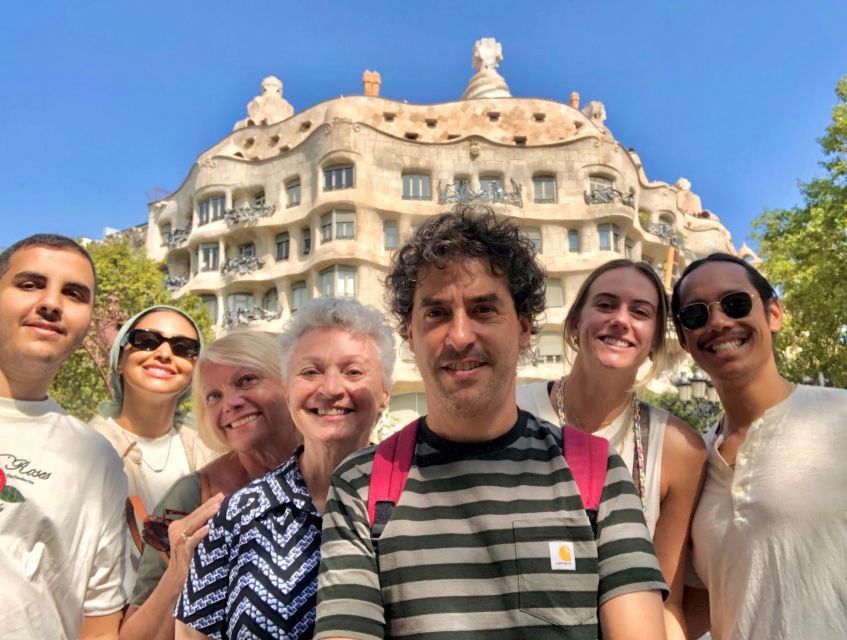
You start on Passeig de Gràcia at the meeting point in front of Camper Store, near Pg. de Gràcia 2. The location is ideal because this area is already soaked in late 19th and early 20th century ambition. You’re stepping into the neighborhood where Modernisme ideas feel visible even before the guide starts talking.
Logistically, plan to arrive early. The tour is designed to start on time, and the maximum waiting time is 10 minutes if you’ve let them know ahead of time. If you tend to run late, set a firm reminder for yourself, then add an extra cushion. Good history needs a good start.
The experience is a walking format, so pack basics. You’ll want comfortable shoes, and the organizer specifically suggests bringing water and using a clothing plan because temperatures can vary. Also, do a quick bathroom stop before you go, since the tour is time-boxed.
And yes, it’s bilingual. You can expect live guiding in English and Spanish, which helps if you’re traveling with mixed language skills. It’s also wheelchair accessible, which means you can plan around it without having to guess whether the route will work.
Casa Milà: where Modernisme turns into a lesson you can see
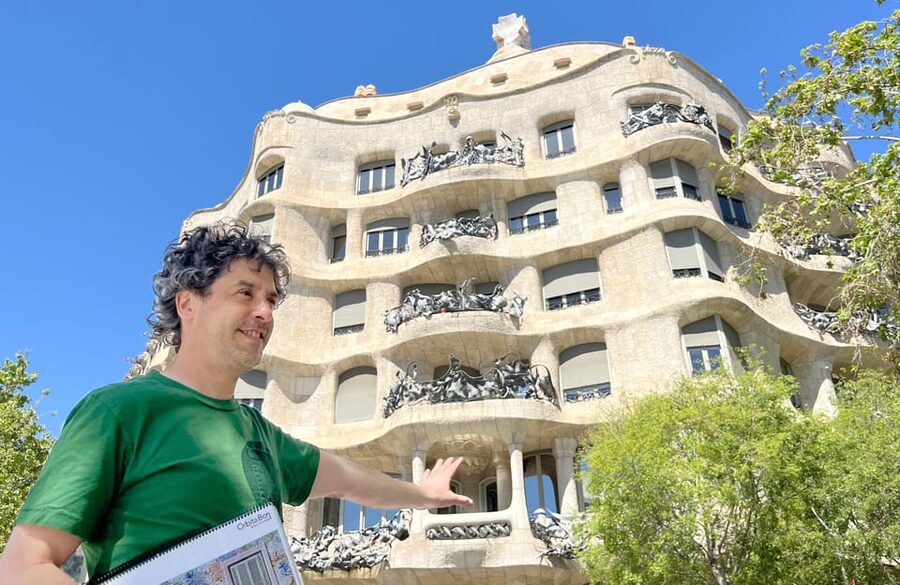
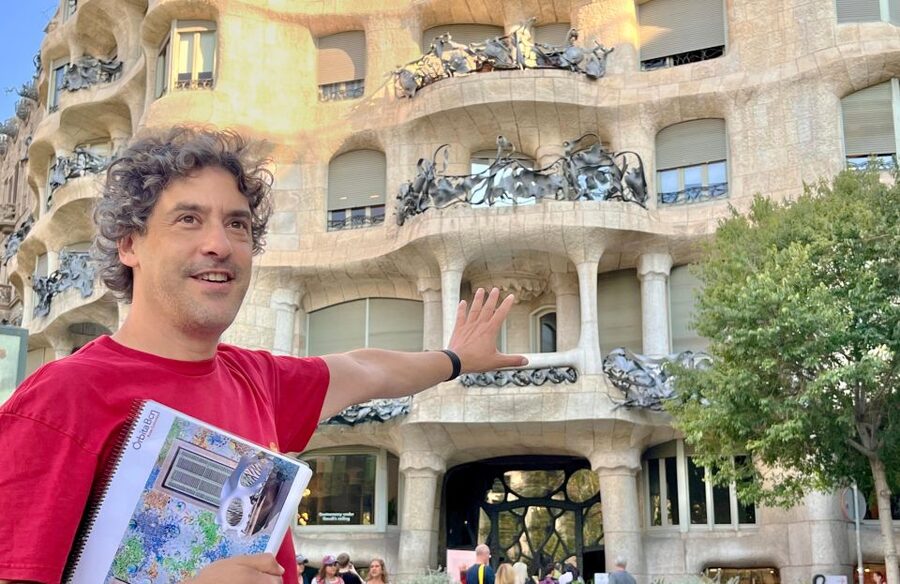
Casa Milà, also known as La Pedrera, is a key stop. This is where Gaudí’s instincts become physical. From the street, it’s an unforgettable silhouette. Up close, the building becomes more than a famous facade. It becomes an explanation.
What I like about a focus like this is that it prevents the typical Modernisme problem, which is skimming. Instead of bouncing between landmarks with no thread, you pause at one of Gaudí’s signature works and learn how the elements connect to the bigger Modernisme story.
Mariano’s approach helps you notice patterns. He talks about Gaudí’s history in front of his most famous buildings, and he analyzes how Modernisme symbolism works in practice. You’re encouraged to look for meanings inspired by nature, not just shapes that happen to look cool.
There’s also a nice educational touch: you get to see original objects from the time as part of the tour. That kind of detail adds texture. It shifts the experience from “architecture as a screenshot” to architecture as something people lived around, argued about, and paid for.
Modernisme in context: politics, money, and the city’s big change
Here’s the part that can quietly become your favorite. The tour doesn’t treat Modernisme as a style folder. It presents it as a period shaped by the city’s changing reality.
Mariano explains the Modernist era (1888 to 1930) through multiple lenses:
- social change and new public tastes
- political currents
- economic forces, especially how the Industrial Revolution affected Barcelona
The goal is simple. When you understand the forces behind the buildings, the buildings stop feeling random. They start feeling like decisions made by real people, in real circumstances.
Barcelona’s Industrial Revolution is a central theme because it helped transform the city into a modern and international metropolis. Once that happens, artists like Picasso and Gaudí begin settling and building influence. When you hear that connection, it makes the whole scene feel less like a museum and more like a living cultural moment.
And Gaudí, in this telling, is not only an artist with ideas. He’s also a man who knew how to take advantage of the richest and most influential people. That’s a helpful adjustment. It keeps you from thinking of architecture as magic alone. It’s also collaboration, patronage, negotiation, and timing.
You come away with a sense of Barcelona’s personality in that era, not just a list of landmarks.
Another side of Barcelona worth booking on the same trip:
- Barcelona: Park Güell Admission Ticket
★ 4.4 · 76,534 reviews - Barcelona: Casa Batlló Entry with Self-Audioguide Tour
★ 4.7 · 25,359 reviews - Barcelona: 24 or 48-Hour Hop-On Hop-Off Bus Tour
★ 4.4 · 20,872 reviews - Barcelona: Park Guell Guided Tour with Skip The Line Entry
★ 4.7 · 17,563 reviews
Nature as a design language, not a random theme
One of the strongest promises of this tour is that you’ll understand Gaudí’s sensibility and the symbolism inspired by nature. In practice, that means you’re not just hearing trivia. You’re learning a way to see.
Gaudí famously turned observation into form. So when Mariano explains the symbolism, you start noticing how nature ideas can show up in architecture, including through shapes and motifs. The tour helps you connect what you’re seeing to a bigger intention behind the work.
This is where the historian approach pays off. Instead of pushing you to memorize details, you learn what those details are trying to do. In a city full of intricate facades, that’s the difference between “pretty” and “I get it.”
I also like that the tour keeps the tone educational but pleasant. The pacing is designed around understanding, not checking boxes. You leave better equipped to look at other Modernisme buildings on your own, because you now know what to ask: What is the building saying, and why would someone want it to say that?
The walking rhythm and where you finish
A 2.5-hour duration is a smart length for this kind of tour. Long enough to build context and learn how to read the architecture. Short enough that you still have time to keep exploring afterward.
You start at Passeig de Gràcia and you finish at C. de Pau Claris 179, 08037 Barcelona. That end point is useful because it’s in an area where you can keep moving, grab food, or wander toward other parts of the city without feeling trapped at the final stop.
One practical note: you should treat the start time seriously. The tour begins on time, and the waiting policy is tight. If you want to enjoy the tour, show up with a little patience buffer built in.
The coffee stop: a calm reset after the architecture
After the guided portion, you’re invited to an exclusive coffee shop surrounded by nature. From the way Mariano structures it, this is not just an add-on. It’s your chance to slow down and turn facts into conversation.
A highlight here is the setting. You’re led into a relaxing courtyard-style atmosphere, which makes a difference after a walking tour. You can regroup, ask a follow-up question, or just absorb the contrast between the city noise outside and the quiet inside.
This kind of finish also helps you remember what you learned. You’re not rushing from building to building until your brain is full. You get a breather that makes the history feel personal instead of purely academic.
Price and value for a guided Modernisme lesson
At $65 per person for a 2.5-hour experience, the price is not “impulse cheap,” but it does line up with the format. You’re paying for:
- live guidance in English or Spanish
- analysis focused on symbolism and context, not just sightseeing
- a dedicated Modernisme framework tied to Gaudí
- hands-on touches like original objects from the time
- an included coffee stop at the end
For Barcelona, this is the kind of tour where the value comes from interpretation. If you’re the type who likes to understand what you see, the cost can feel reasonable quickly. You’re buying clarity. And clarity is what makes architecture stick in your memory.
If, however, you only want a quick surface overview, you might prefer something shorter or less interpretive. This tour rewards curiosity, not just ticking boxes.
Who should book this Gaudí and Modernisme tour
This is a strong match if you want:
- a guide who connects Gaudí to the bigger Modernisme period (1888 to 1930)
- help reading symbolism inspired by nature in Gaudí’s work
- context about how Barcelona became an international metropolis
- a walking tour that stays educational but still fun
It’s also a good choice for couples or solo travelers who enjoy discussion and storytelling. The tone is approachable, and Mariano’s style is described as enthusiastic and caring, with a focus on making sure you get what you’re paying for.
Because it’s wheelchair accessible, it can work for travelers who need that consideration. Just plan your comfort with walking time and bring the basics like water, since you’ll be outdoors for parts of it.
If you’re traveling with kids, it could work if they can handle explanations, but the pace is clearly designed around adult context and visual analysis.
Should you book? My recommendation
Book it if you want your Gaudí experience to mean something. This tour is built around the idea that Modernisme is not just a visual trend, it’s a response to Barcelona’s rapid social and economic changes. Mariano Pesin’s historian approach, plus the emphasis on nature symbolism, makes the architecture easier to read while you’re standing in front of it.
Skip it if your main goal is fast sightseeing with minimal talk. Also skip it if you tend to arrive late and hate timed starts, because this one expects punctuality.
If you’re curious about why Gaudí’s buildings look the way they do, and you’d like a guide to help you notice the details you might miss on your own, this is a smart use of a morning or afternoon in Barcelona.
FAQ
How long is the Gaudí and Modernisme tour?
The tour lasts 2.5 hours.
Where do we meet?
You meet in front of Camper Store, on Pg. de Gràcia 2.
Where does the tour end?
The tour finishes at C. de Pau Claris, 179, 08037 Barcelona, Spain.
Is the tour available in English and Spanish?
Yes, the live tour guide speaks English and Spanish.
Is the tour wheelchair accessible?
Yes, the tour is wheelchair accessible.
What’s included besides the walking tour?
The tour includes the walking guided explanations, symbolism analysis, original objects from the time, and a coffee shop stop at the end.
Do I need to bring water or plan my clothing?
Bring water. Also, bring appropriate clothing because the temperature may vary.
What if I am late?
The experience starts on time. The maximum waiting time is 10 minutes with previous notice.
What is the cancellation policy?
Free cancellation is available up to 24 hours in advance for a full refund.
Can I reserve now and pay later?
Yes. You can reserve your spot and pay later, with no payment required today.
Recently reviewed in Barcelona
- Barcelona: Citizen Segway Tour★ 5.0 · 53 reviews
- Cathedral of Barcelona Entrance Ticket – Optional Private Guide★ 4.0 · 114 reviews
- Sagrada Familia Private Tour in Barcelona★ 4.5 · 23 reviews
- Montjuïc Cemetery Walking Tour – Hidden Art, History & Views★ 5.0 · 62 reviews
- Barcelona Gracia Neighborhood Local Food & History Tour★ 5.0 · 92 reviews
- Castle of Montjuic- 3H Segway Tour★ 5.0 · 3 reviews
- Barcelona Old Town Tour With Optional Flamenco Show★ 5.0 · 42 reviews
- Guided private morning tour of La Pedrera with Casa Batlló ticket★ 5.0 · 14 reviews
Gaudí Tours, compared.
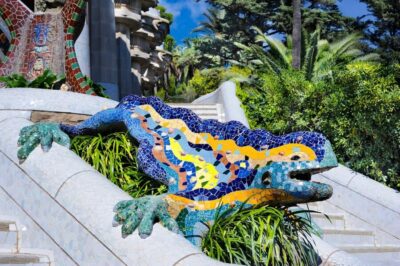
Park Güell and Gaudí House Museum Entry Ticket
Read our review →
Sagrada Familia & Gaudi Tour Private or Small Group with Tickets
Read our review →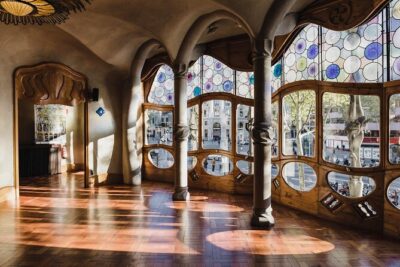
Complete Gaudi Tour: Casa Batllo, Park Guell & Sagrada Familia
Read our review →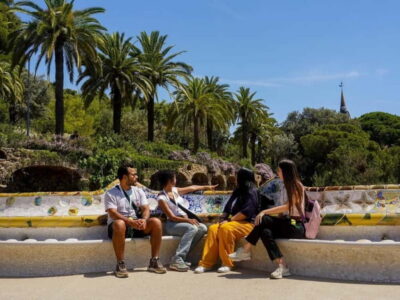
Park Güell: Guided Tour with Optional Gaudí Experience Entry
Read our review →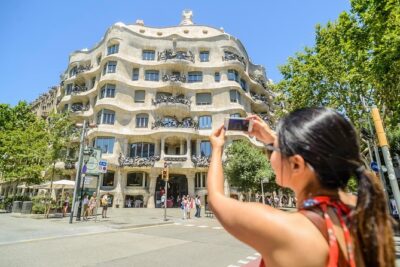
Barcelona e-Bike Tour: Gaudí & Old Town Small Group
Read our review →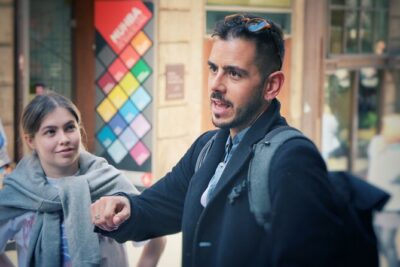
Ramblas, Old Town, Gothic and Gaudi Architecture Walking Tour
Read our review →
Gaudi´s Casa Vicens Skip the Line Ticket with Audioguide
Read our review →
Discover Gaudí, Sagrada Familia, and Park Güell
Read our review →Browse the lists this tour appears in