
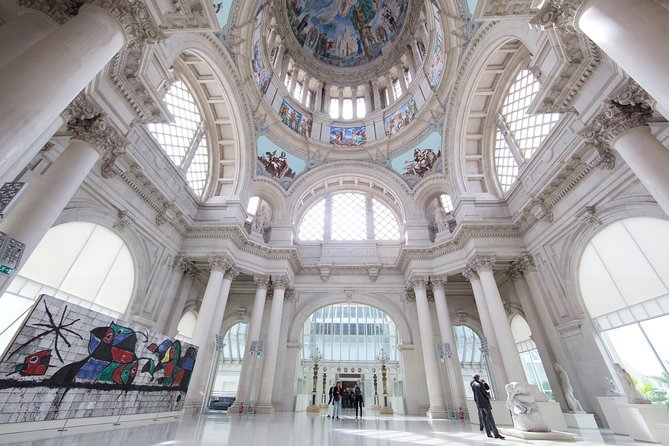
Reviewed · MUSEUMS
MNAC Barcelona: National Art Museum of Catalonia Admission Ticket
MNAC Barcelona is interesting because you get a big sweep of European art, then step back outside onto Montjuïc for wide city views. I love the museum’s Romanesque frescoes shown inside recreated church interiors, and I also love the small but memorable details, like the Christ in Majesty with its rainbow effect.
For a second reason to go, you should know the Modern section includes Gaudí furniture, plus Art Nouveau and other 20th-century pieces. The only real drawback: the museum leans heavily on religious art in the early galleries, so if you mainly want famous secular Spanish painting, you may feel some sections overlap.
Key Things to Know Before You Go
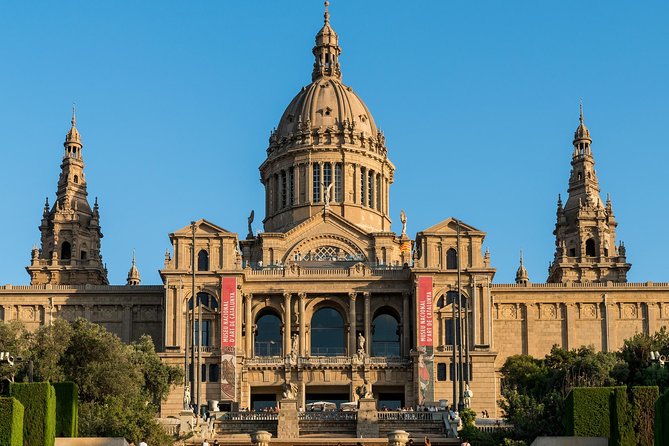
- Romanesque frescoes in reconstructed churches make medieval art feel physical, not distant.
- A 1,000-year timeline means you can see Romanesque, Renaissance, Baroque, and Modern in one visit.
- Gaudí furniture is the type of thing you remember weeks later, partly because it is so specific to Catalonia.
- Montjuïc views and gardens give you a break from indoor galleries.
- Self-guided access means you can move at your speed, but you will need to plan your route.
MNAC Barcelona in the National Palace: Montjuïc is part of the experience
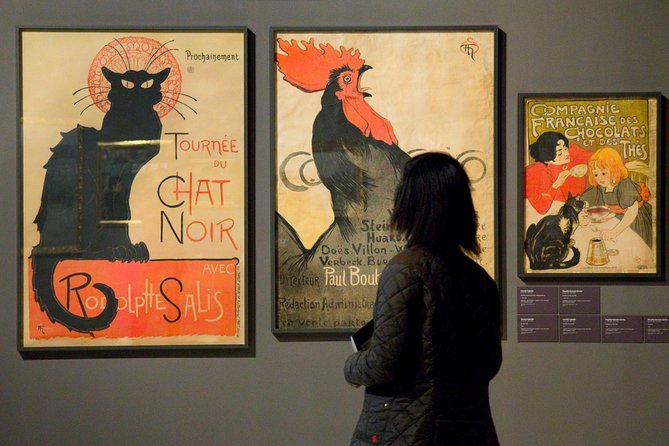
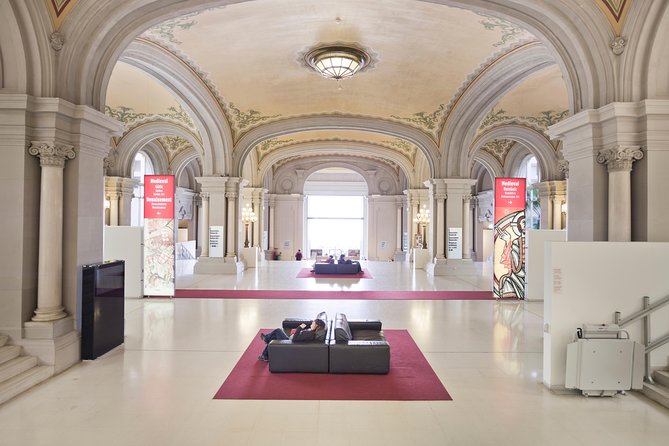
MNAC, the Museu Nacional d’Art de Catalunya, sits in the grand National Palace on Montjuïc Hill. Even before you buy a drink or find a bench, the location works like a built-in prelude to the art. This is one of those museums where the building, the grounds, and the views are not side dishes. They are part of why the visit feels special.
The museum opened in 1934, and that history shows in the way the space is designed for long looking. You are not just popping in for one highlight. You are walking through rooms that help you track how art styles change over time, from early medieval work to Renaissance and Baroque Europe, and then to the Modern period.
I also like that it is close to public transportation. Montjuïc can feel like a whole project in some cities, but here you can keep the trip practical. Add that “most travelers can participate” vibe, and this is a good museum choice even if your day in Barcelona is already packed.
One more practical point I’d plan around: this is a large museum. The best way to enjoy MNAC is to accept that you are not going to see everything at an even speed. If you treat it like a marathon, you will rush. If you treat it like a series of focused stops, you will enjoy it.
A few more ways to see Barcelona
- Barcelona: FC Barcelona Museum “Barça Immersive Tour” Ticket
★ 4.4 · 10,944 reviews - Barcelona: Park Güell and Gaudí House Museum Entry Ticket
★ 4.5 · 6,326 reviews - Barcelona: Picasso Museum Skip-the-Line Guided Tour
★ 4.5 · 3,355 reviews
What you’ll see at MNAC: 1,000 years of art you can actually process
MNAC covers roughly 1,000 years of Catalan, Spanish, and European art. That sounds huge because it is huge, but the way the museum presents it makes the timeline feel manageable. You move through periods, and the galleries are set up so you get a sense of progression instead of random rooms.
The museum is known for Romanesque frescoes, but it does not stop there. You also get collections that cover major European painting and sculpture between the 1400s and the 1900s. Expect big-name artists to appear in the story, including Titian and Goya. You can also find works by Canaletto and Gainsborough in the collection.
Then there’s the Catalan and Spanish thread, which is where MNAC really earns its keep. The Modern and 20th-century sections include Catalan artists and show how design and art styles evolved locally too. When you get to the Modern area, the emphasis shifts from “what story is this painting telling?” to “how does design change how we see?” That is a nice way to keep the visit from feeling like only religious scenes and saints.
If you like the idea of seeing how Europe changes from Romanesque to Renaissance, Baroque, and then Modern, this museum is efficient. If you only want one era, you might feel tempted to skim. My suggestion is to pick two eras you care about most, then let the rest be extras.
Romanesque frescoes inside recreated churches (yes, it matters)
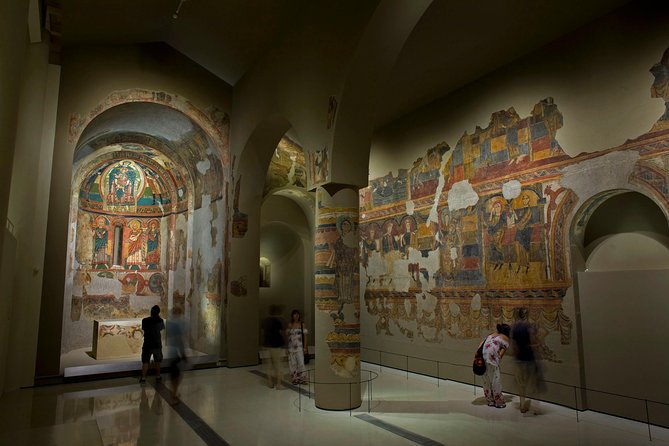
The MNAC highlight for many people is the museum’s Romanesque frescoes, displayed in reconstructed church interiors. This is not just a display method, it changes how you read the art. Romanesque frescoes often feel flat on paper or in a quick museum glance. Put them back into a church-like setting, and suddenly the scale, placement, and symbolism start to click.
A standout detail is the 12th-century Christ in Majesty, a luminous Christ sitting on a rainbow. That particular image is the kind of work you can spot as you orient yourself in the early galleries. Even if you do not know the theology or the symbolism, your eyes understand the message quickly: this is meant to project power and meaning.
What I like about the Romanesque section is that it makes medieval art feel intentional. You are not looking at isolated paintings, you are looking at a system. Walls, ceilings, and the idea of a sacred space are all part of the experience.
Here’s a simple way to make this section work for you:
- Start early in the museum and lean into the reconstructed church rooms before you get tired.
- If you are short on time, pick one or two church interiors and really look at how the figures are placed and how your eye moves across the scene.
- If religious imagery is not your thing, give yourself permission to move on faster. The museum will still reward you, but you will need to manage your patience.
The one caution I’d offer is that some visitors find the religious emphasis repetitive in the early-to-middle galleries. That does not mean it is “bad.” It means the museum’s strengths are tied to that subject matter.
Renaissance to Baroque Europe: the art shifts from symbol to spectacle
After the Romanesque rooms, the museum broadens into Renaissance and Baroque European art. This part is valuable because it shows a major change in artistic goals. The early galleries often feel like they are communicating sacred messages with symbolic clarity. Later galleries feel more about realism, drama, and composition.
In this stretch, you can encounter paintings and sculptures from roughly the 1400s to the 1900s. If you care about European art more broadly than Catalonia alone, this is the section that satisfies that itch. It is where you’re more likely to spot major names, including Titian and Goya.
One thing to watch for is rhythm. As the museum moves into later periods, the walls can start to feel packed with artwork. That can be a good problem, because it means you will have options. It can also be exhausting if you try to keep up with every label.
My advice: when you reach Renaissance and Baroque, slow down enough to notice the shift in style. Ask yourself what changed: the lighting, the sense of movement, the way the scene is staged, or how faces are painted. You do not need art school to appreciate that those differences are real.
Also, if there is a temporary exhibition running at the time of your visit, it can add a totally different angle to the museum. One example that people have praised in the past focused on war propaganda. Temporary shows are hit-or-miss, but when they click, they make MNAC feel less like a static archive and more like an active place of ideas.
Another side of Barcelona worth booking on the same trip:
- Barcelona: Park Güell Admission Ticket
★ 4.4 · 76,534 reviews - Barcelona: Casa Batlló Entry with Self-Audioguide Tour
★ 4.7 · 25,359 reviews - Barcelona: 24 or 48-Hour Hop-On Hop-Off Bus Tour
★ 4.4 · 20,872 reviews - Barcelona: Park Guell Guided Tour with Skip The Line Entry
★ 4.7 · 17,563 reviews
Modern art and the Gaudí furniture showpiece you should not skip
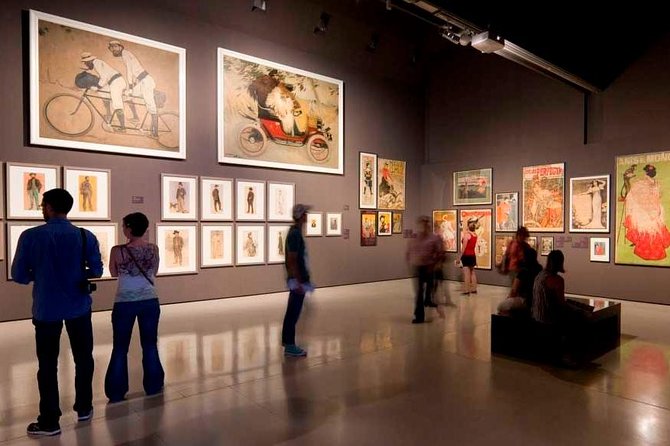
The Modern Art section is where MNAC changes tone again. You start moving through paintings, sculptures, posters, and other pieces tied to Art Nouveau and later 19th- and 20th-century Catalan artists. This is a smart inclusion because it keeps MNAC from being only about the “old world.” It connects Catalonia’s modern identity to design and visual style.
Then there is the showpiece most people talk about when they mention it: Gaudí furniture. The museum has sinuous wood chairs and doors that are clearly meant to be used and noticed in real space, not just looked at behind glass. When you see them, you start to understand why Gaudí is not only an architect. His eye for form is also about how objects occupy the world.
This is also the area where you can take a breath. Earlier in the museum, you may have been working through heavy religious themes. Here the visual energy shifts to decorative art and design. Even if you do not consider yourself a design person, you will likely enjoy the practicality of these pieces. They feel closer to daily life.
If you like photography, this is a good time to slow down. Look for details in woodwork and curves, not just the overall chair shape. If you are the type who hates “standing and reading,” you will still get value here because the object design speaks quickly.
How to plan a 3-hour MNAC visit that feels calm, not chaotic
MNAC is a “go at your pace” museum. The ticket gives you admission to explore independently, and that freedom is part of the value. You get to decide whether you spend more time on the Romanesque fresco rooms or the Modern section with Gaudí furniture.
Many people find about three hours sufficient, which sounds short until you see how concentrated the museum experience is. Three hours works if you plan your route before you start walking.
Here’s a planning approach I recommend:
- First hour: hit Romanesque frescoes and aim for at least one recreated church interior that you can fully absorb.
- Second hour: move into Renaissance and Baroque collections. Don’t try to read everything. Pick a few works that represent the style shift.
- Final hour: go to Modern art and make sure Gaudí furniture is on your list.
I’d also build in a quick break, because your enjoyment depends on stamina. The museum can be warm on some days, and standing and reading labels for long stretches adds up. A rest resets your attention, and MNAC rewards that attention.
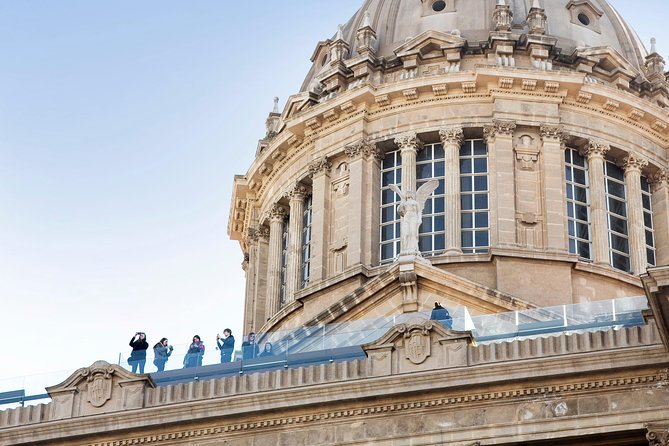
One tip that comes up often in real visits: people suggest starting with access to higher viewpoints when available, since lines to small elevator areas can build. If your ticket includes roof-terrace access at the time you go, consider doing that earlier. It gives you a visual payoff while you still feel energetic.
Parc de Montjuïc after the museum: use the outdoors to reset
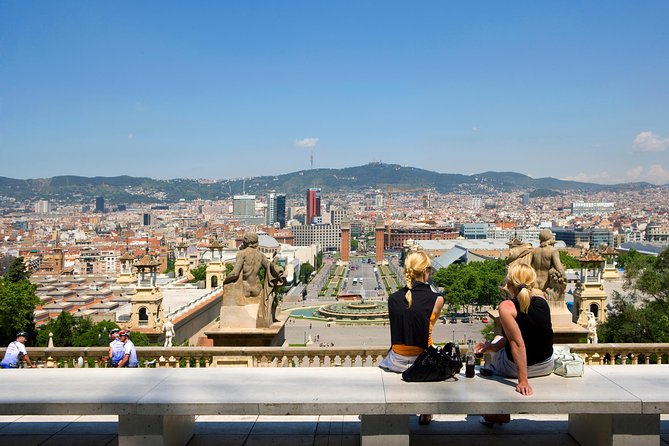
Once you’ve done the main museum rooms, give yourself time in Parc de Montjuïc. The park is not just a spacer between attractions. It helps you process what you saw inside. You get air, shade in some areas, and those Montjuïc views that make the whole area feel like a destination.
If you only have one hour, treat it as a gentle walk. Look for spots where you can see the city and then return to your route. If you are staying nearby, you can also use the park as a natural way to time your visit around lunch or late afternoon.
Comfort tip: Montjuïc can mean walking up and down paths. Wear comfortable shoes you trust. You will feel grateful once you start moving between museum areas and outdoor viewpoints.
Price and value: does $14.48 buy enough wow?
At about $14.48 per person, the MNAC ticket is priced like a mainstream attraction. What makes it good value is that it buys you a self-guided pass into a large museum with a long, organized timeline.
You are not just paying to see one famous painting. You are paying to step through a story: Romanesque frescoes in recreated churches, then Renaissance and Baroque collections, then Modern art with Catalonia’s design identity through Gaudí furniture.
The other value point is the “independent” nature. Because there is no guided tour included, you control your pace. You can spend time on what you care about and skip what you do not. That matters because MNAC can feel big if you follow a strict group schedule.
What is not included is also worth knowing. There is no audioguide included, and you are not getting a guided tour. If you love structured commentary, you may want to bring your own plan, or rely on any free app information the museum provides on-site. (Some visitors point out that a free app can help you read the art and navigate rooms.)
So is it worth it? For most people who like art and want a strong Barcelona day with a clear theme, yes. If you are only casually interested in museums and want beaches or street life, you might prefer a lighter day.
Who should book this MNAC Barcelona ticket, and who might not
MNAC is a strong match for:
- Art lovers who want a lot of variety in one place, including medieval through Modern.
- Anyone who likes museum architecture and dramatic spaces.
- Visitors who want Catalonia in the mix, not just generic big-name art history.
- People who enjoy seeing design and sculpture alongside painting.
MNAC may be less ideal if:
- You mainly want modern pop culture or street-style art. This is museum-first, slower looking.
- You strongly dislike religious imagery. The early collections include a lot of church-themed work, and it can feel repetitive if that theme does not engage you.
One more “real life” factor: the museum is popular enough that people often book ahead. If you are traveling in high season or on a tight schedule, plan to secure your spot early so you are not guessing your day.
Should you book the MNAC Barcelona ticket?
I’d book it if you want a high-impact, self-guided museum day with real payoff. You get the best MNAC ingredients in one dose: Romanesque fresco rooms built to feel like churches, a Modern section that includes Gaudí furniture, and Montjuïc views when you step back outside. It is also a good choice if you want to learn without being locked into a group pace.
Skip it or choose a different plan if you only want one art style, or if you have zero interest in religious-themed works. In that case, MNAC might feel like work instead of fun.
If you do go, do two things and you will enjoy it more: start with the Romanesque rooms, then save time for Gaudí furniture. Then let the rest of the museum be a bonus, not a checklist.
FAQ
How long is the MNAC Barcelona experience?
It runs about 3 hours on average.
What’s included with this ticket?
The ticket includes MNAC admission.
Is an audioguide or guided tour included?
No. An audioguide and guided tours are not included.
Is the ticket mobile and offered in English?
Yes, it is a mobile ticket, and it is offered in English.
How do I use the voucher to enter?
You redeem your voucher at the ticket office and then head inside to enjoy the art independently.
Can I get a refund if I cancel?
Yes, free cancellation is available. You can cancel up to 24 hours in advance for a full refund.
Recently reviewed in Barcelona
- Barcelona: Romantic Private Sailing Tour★ 4.1 · 19 reviews
- Barcelona: Rock Museum- Guitar Legends Hall★ 4.9 · 26 reviews
- Barcelona: Raval Street Art and Graffiti Walking Tour★ 4.9 · 60 reviews
- Barcelona: Rent a Jetski and speed through the ocean★ 4.0 · 4 reviews
- Barcelona: Professional Private Photoshoot★ 4.9 · 28 reviews
- Barcelona: Ramblas, Gothic & Gaudí Architecture Walking Tour★ 4.9 · 136 reviews
- Barcelona Photo Experience: famous landmarks or the beach!★ 4.9 · 48 reviews
- Barcelona Private Tour: Sagrada Familia,Park Güell & Pedrera★ 4.9 · 13 reviews
Museums, compared.

FC Barcelona Museum “Barça Immersive Tour” Ticket
Read our review →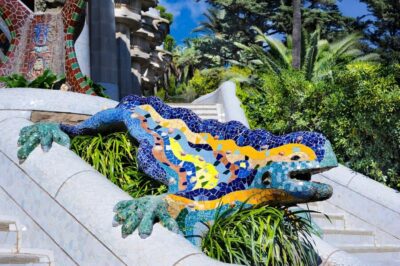
Park Güell and Gaudí House Museum Entry Ticket
Read our review →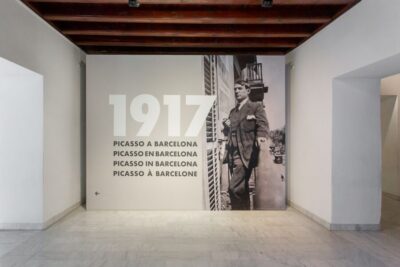
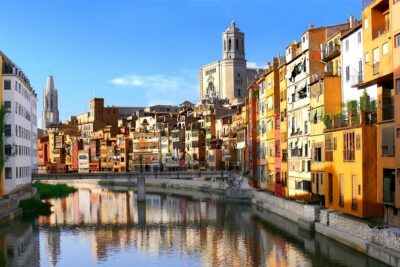
Girona & Dali Museum Small Group Tour with Pick-up from Barcelona
Read our review →
Browse the lists this tour appears in